
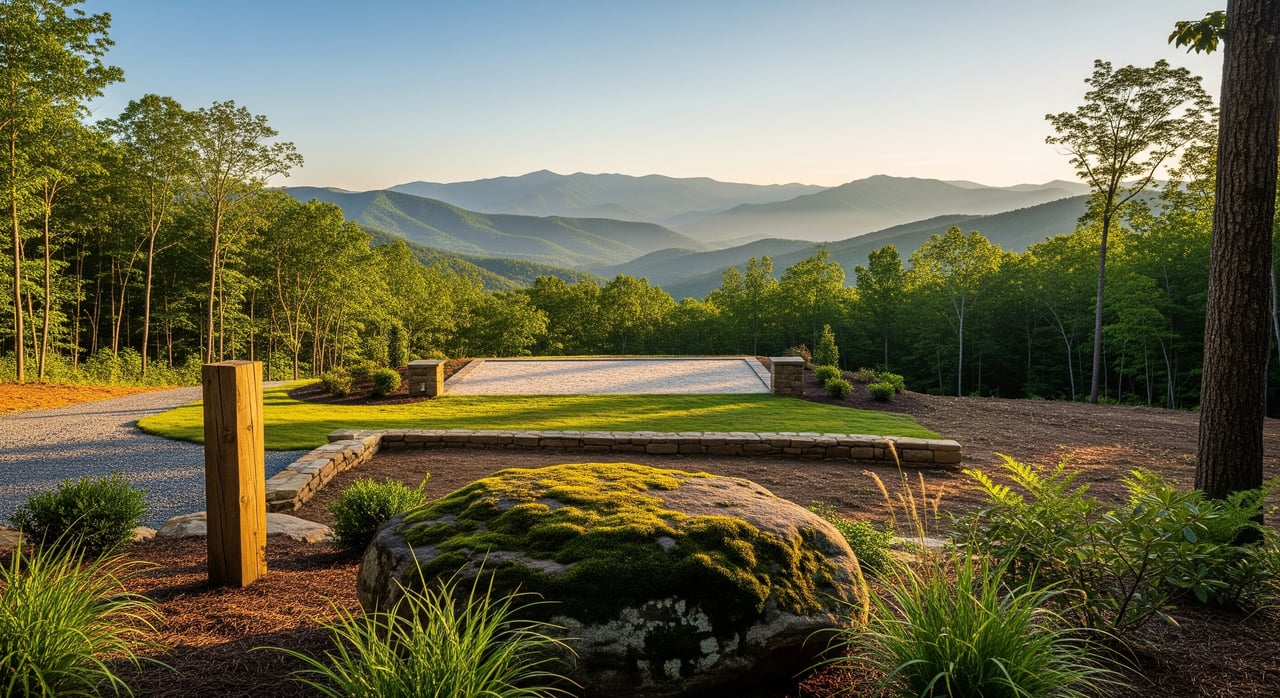
Two lots on the same street at The Reserve can be priced thousands apart. If you have wondered why, you are not alone. In Transylvania County’s mountain terrain, small differences in views, buildability, and access can change both your cost to build and your resale potential. In this guide, you will learn the key value drivers at The Reserve and the practical checks that help you buy or sell with confidence. Let’s dive in.
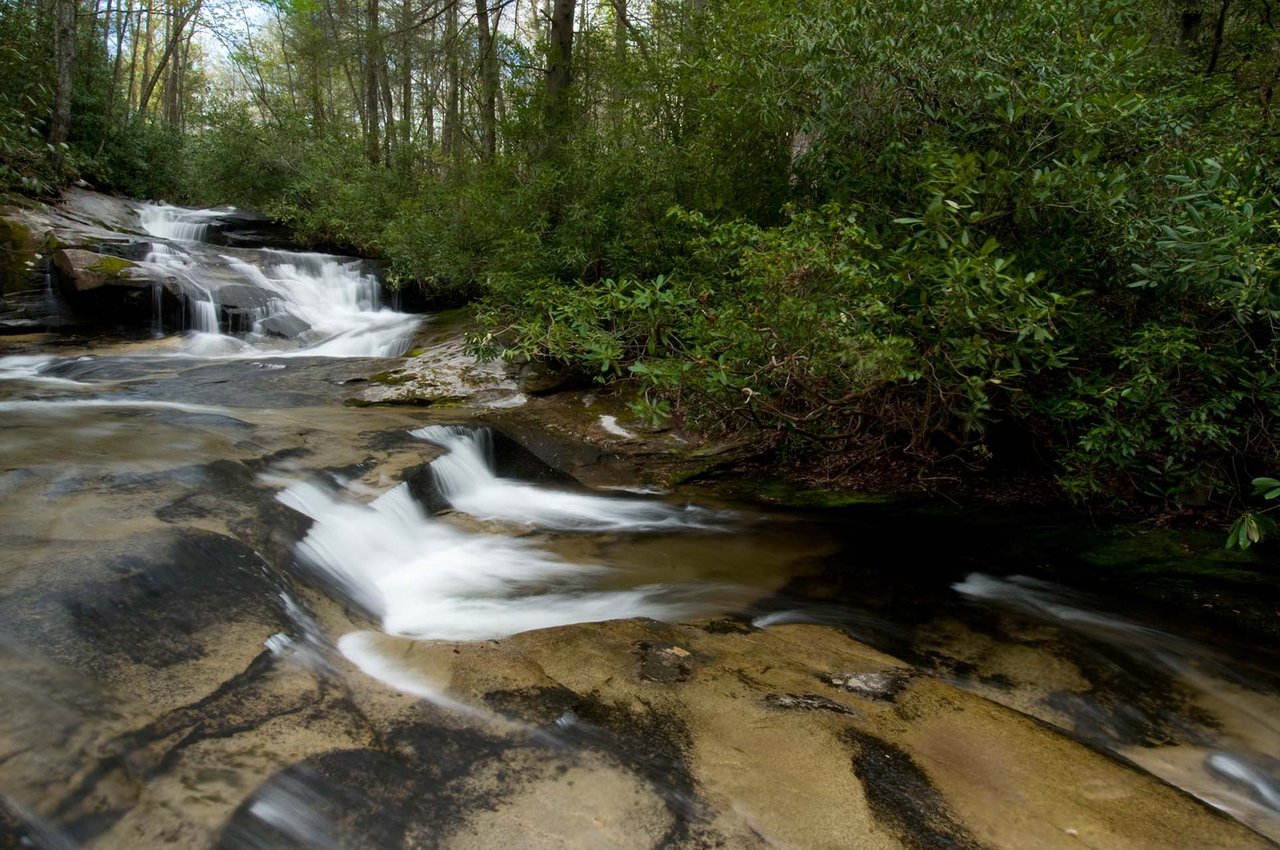
You are buying into a lifestyle shaped by waterfalls, forests, and year-round recreation. The Brevard area draws hikers, mountain bikers, anglers, and scenic drivers, which creates steady demand for lots that offer privacy, views, and easy access to Pisgah and DuPont. Many buyers are second-home owners or retirees, while others are primary residents and remote workers. That mix pushes premiums toward view protection, sun exposure, and convenient drives to town.
Limited developable land also matters. In mountain communities, a flatter, well-situated building pad is rarer and often more valuable. At The Reserve, the lots with favorable orientation and simpler construction paths tend to rise to the top.
Drive time to groceries, medical care, and schools is a major factor for year-round living. Lots closer to paved roads and within about 10 to 20 minutes of town often command higher prices. Shorter commutes also appeal to contractors and vendors during construction, which can help timelines and costs.
Clear, protected ridge or valley views often bring a notable premium. South and west exposures can offer better natural light and warmer winter sun, which many owners prefer. North-facing slopes may be cooler and shadier, which some buyers like for summer comfort, but those sites can be less sunny year-round.
If you value quick trips to trailheads and waterfalls, a lot with easy access to recreation can be worth more to you. The Reserve’s appeal grows when you can reach favorite outdoor spots without long detours. That convenience can make a difference in both enjoyment and resale.
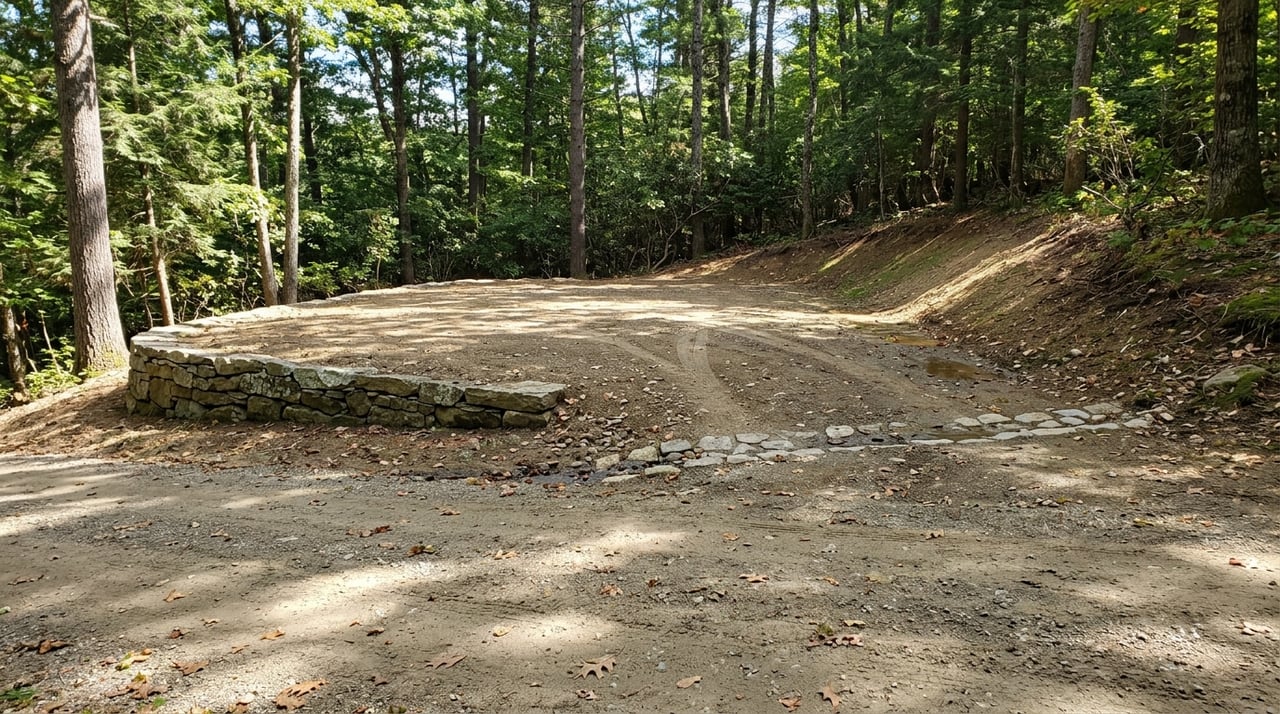
Gentle slopes with a natural building bench usually mean simpler foundations and grading. Steeper terrain can require deeper footings, retaining walls, and more complex site prep, which adds cost. Usable outdoor space for driveways, garages, and patios also influences your total budget and livability.
Rock outcrops, shallow soils, or hard bedrock can increase excavation costs and slow construction. In some cases, blasting or special foundations may be needed. A topographic and geotechnical review helps you understand risk and plan accordingly.
In many mountain neighborhoods, onsite septic is standard. A successful perc test or existing septic permit reduces uncertainty and often raises value. If a lot fails a perc test, you may need an engineered system or a different building location, which can narrow the buyer pool and affect price.
Lots with reliable community water or a proven private well are often more valuable than sites with unknown well potential. Access to public sewer, if available, tends to lift values, while septic feasibility remains critical where sewer is not present. Confirm what is on site and what you must build before you set a price.
On-site electric service and short distances for line extensions help keep costs predictable. High-speed internet is increasingly important for remote work and streaming. Verified service options can make one lot more attractive than another even when other features are similar.
Paved roads and clear maintenance agreements reduce long-term costs and stress. Private roads require owner participation in upkeep and snow clearing, which some buyers discount if responsibilities are unclear. A transparent HOA plan for roads builds confidence and supports value.
County zoning and any overlays determine what you can build and how you can use the property. House size, accessory buildings, and rental allowances all flow from local rules. Understanding these limits early protects your timeline and budget.
Community covenants often guide architecture, exterior materials, and tree removal. Many buyers welcome this because it preserves neighborhood character and view corridors, which can support values. Investors may prefer fewer restrictions, so the impact on price depends on your target buyer.
Utility and access easements can limit where you can build or add a driveway. Floodplains, wetlands, stream buffers, and steep-slope protections can also reduce the buildable envelope. Mapping these factors is essential to avoid surprises.
Recent closed sales in The Reserve and nearby subdivisions set the reference points for value. When supply of buildable lots is tight and demand persists, prices tend to rise. Tracking days on market and list-to-close spreads helps you calibrate expectations.
Mountain lot activity often peaks in spring and summer when travel and site visits are easier. Lenders are typically more conservative with vacant land, so cash buyers are common and terms can be stricter. Financing conditions affect your buyer pool and negotiating leverage.
Property taxes, HOA dues, and insurance shape your cost of ownership. Premiums may vary with topography and exposure to hazards like wildfire or wind. Understanding these recurring costs helps you set realistic holding periods and asking prices.
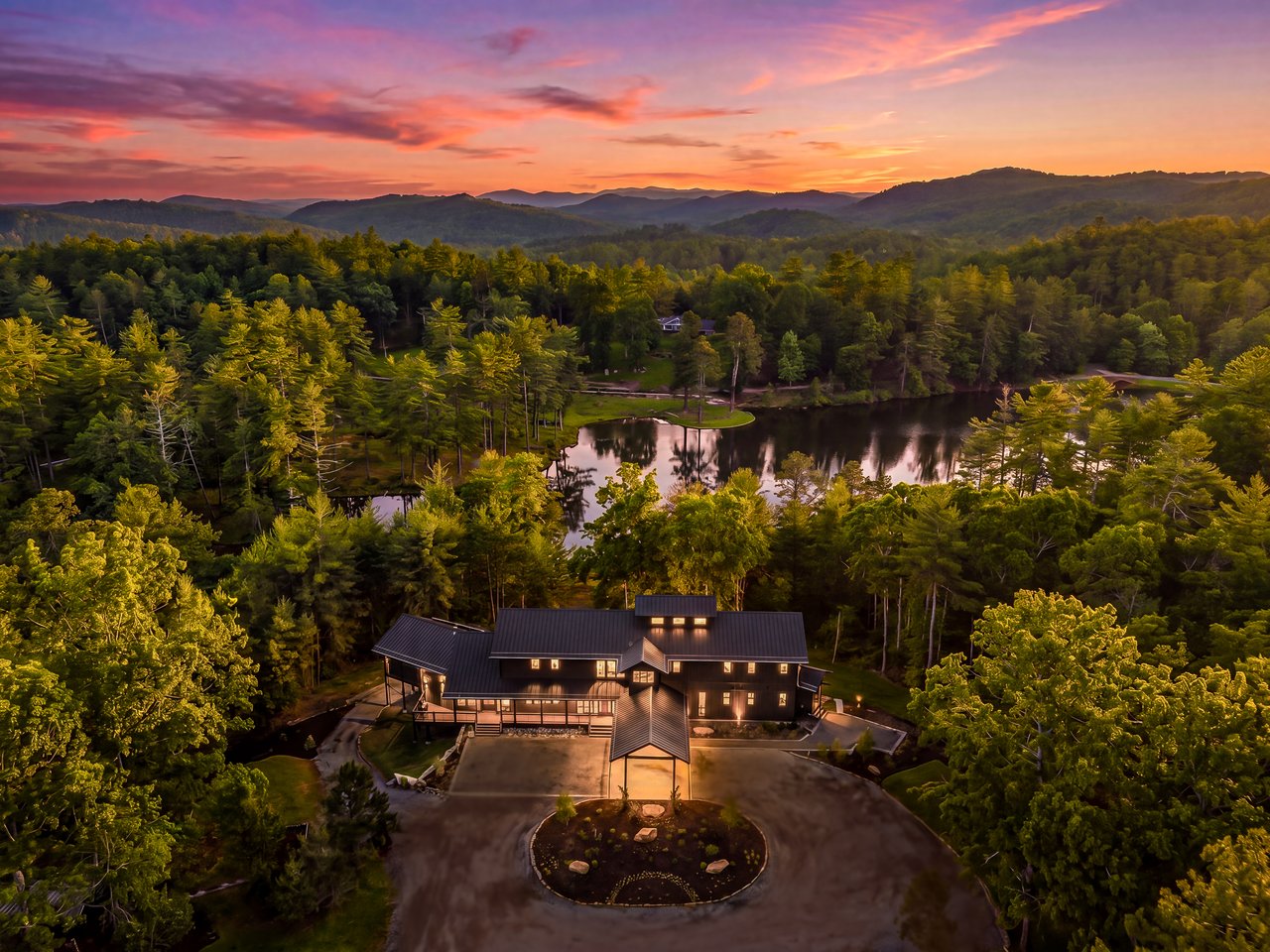
First impressions start online. Clear photography, accurate site diagrams, and drone views help buyers visualize slope, exposure, and view potential. A short site narrative that explains the building pad, driveway strategy, and utility logistics builds trust. When you reduce unknowns, you widen your buyer pool and support stronger offers.
Mountain land is a specialty. You want an advisor who knows how topography, utilities, and covenants come together at The Reserve. With deep experience in Transylvania County, premium marketing, and a track record in land and acreage, our team helps you evaluate feasibility, price with precision, and present your lot at its best. Ready to talk through your goals at The Reserve? Connect with Team Billy Harris for tailored guidance.
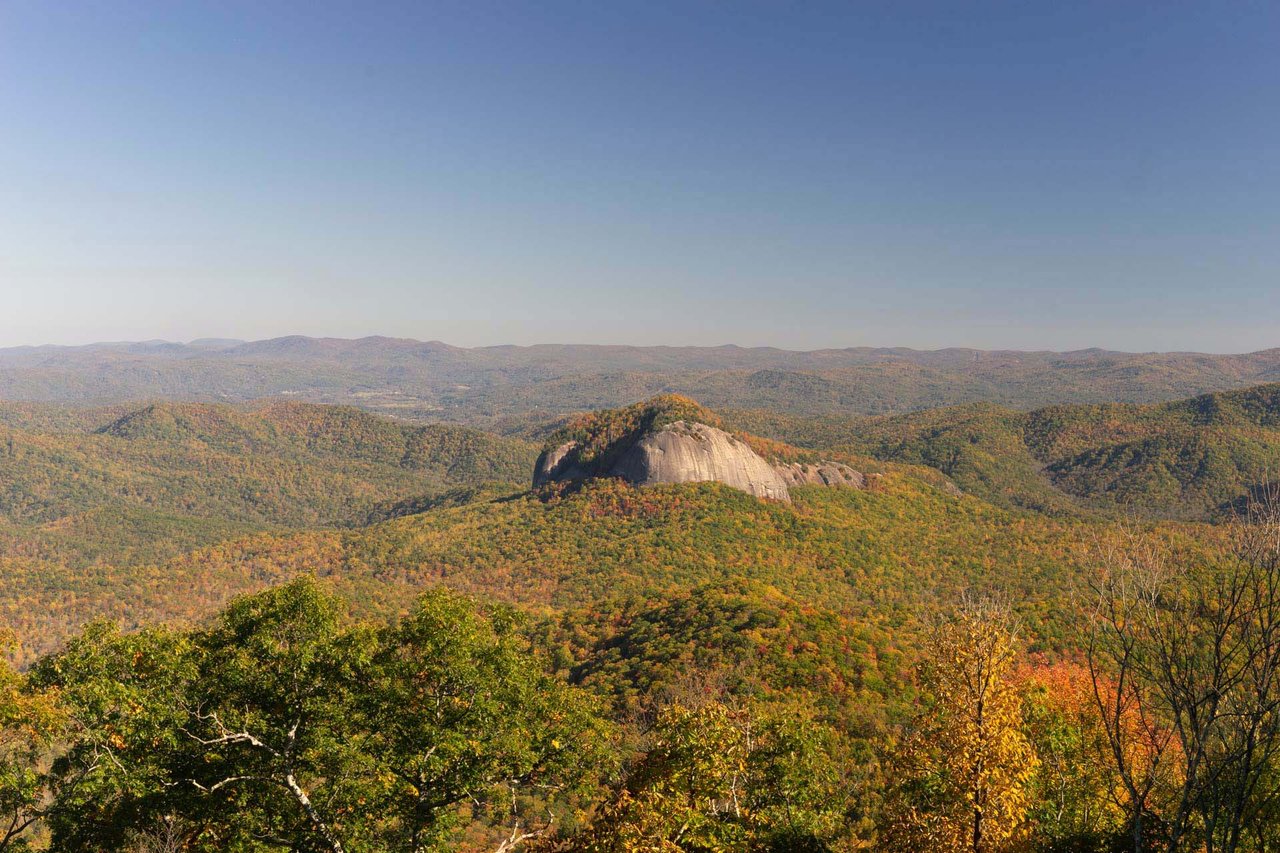
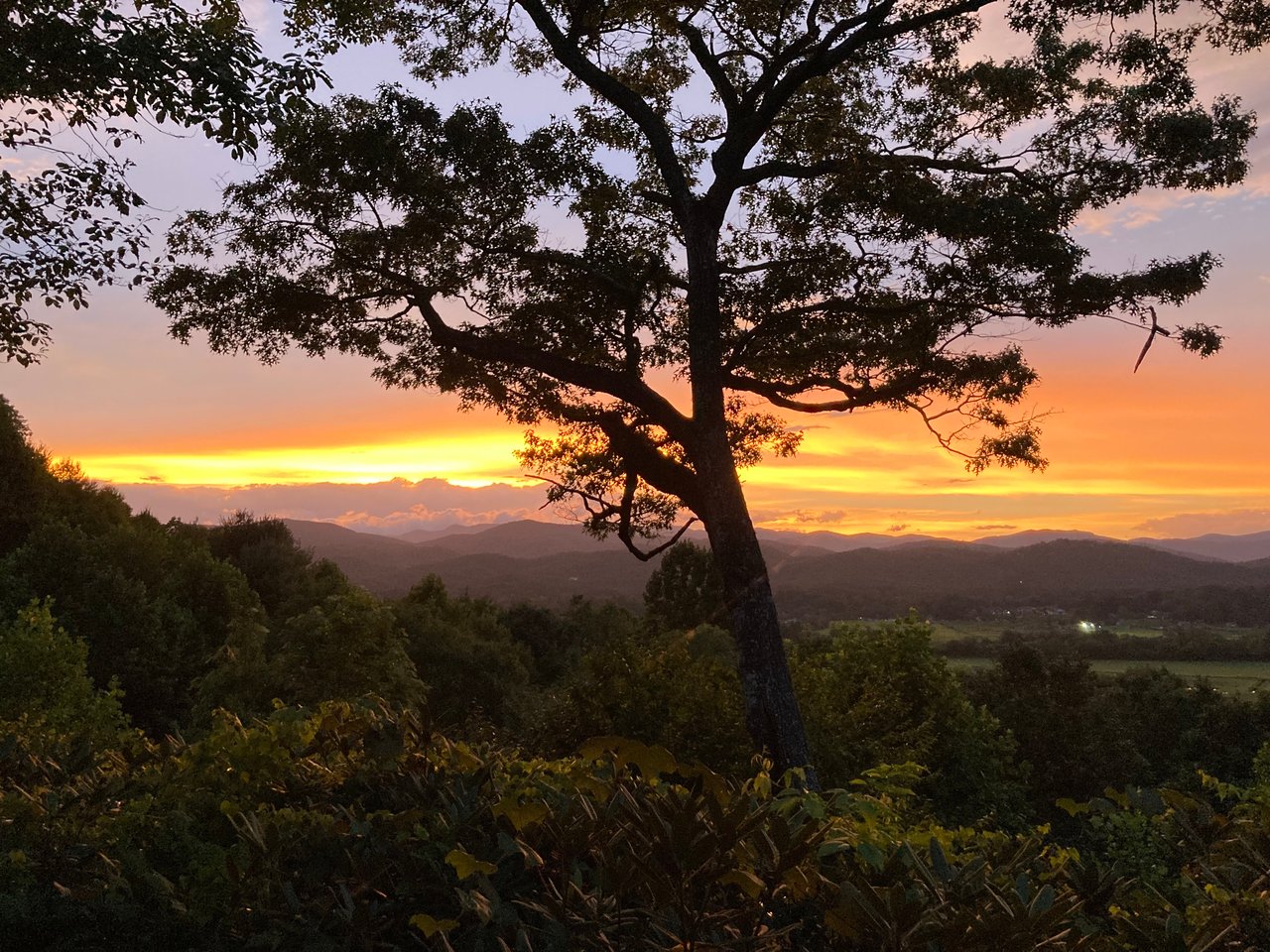
Brevard NC Home Values
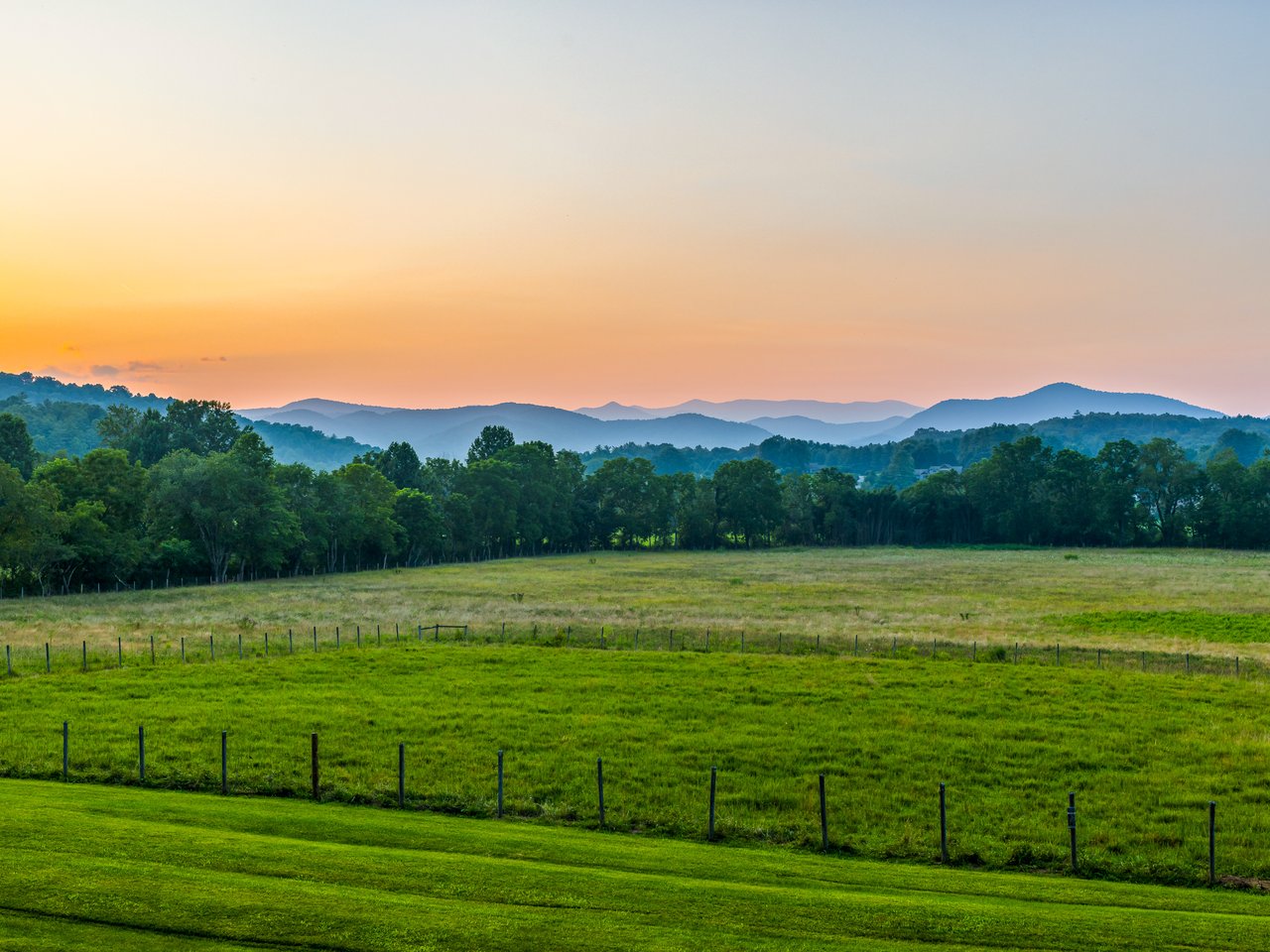

Market report for Transylvania County
We pride ourselves on informing and educating our clients in order to make better real estate decisions. Contact us today to find out how we can be of assistance to you!
Get In Touch With Us
TEAM BILLY HARRIS
7737 Greenville Hwy Brevard NC 28712