
Dreaming of a quiet mountain retreat where trailheads and long-range views are minutes from your porch? If Sutton Knob near Brevard is on your radar, you are not alone. Planning a second home here takes a bit of mountain-specific know‑how, from lot selection and septic feasibility to driveway grades and community rules. This guide walks you through the essentials so you can move forward with confidence. Let’s dive in.
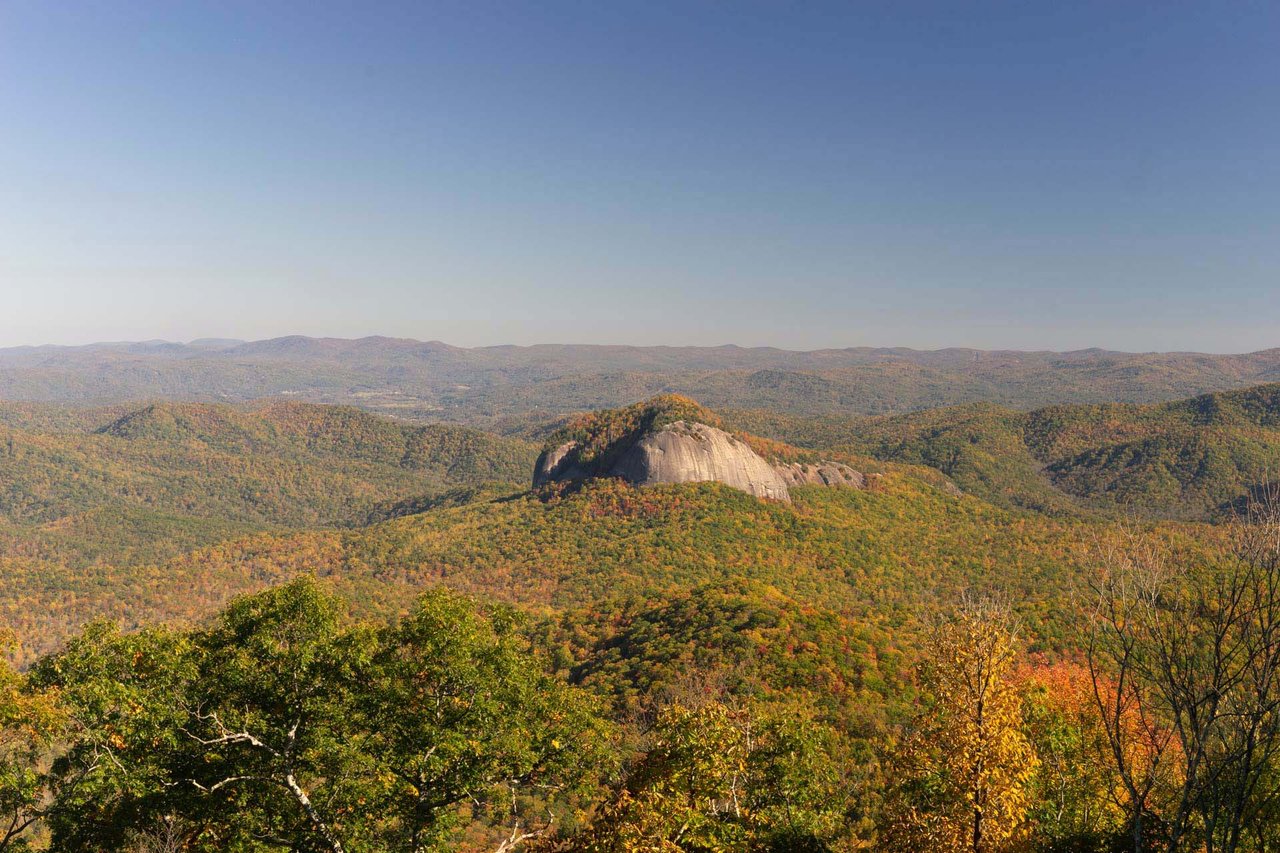
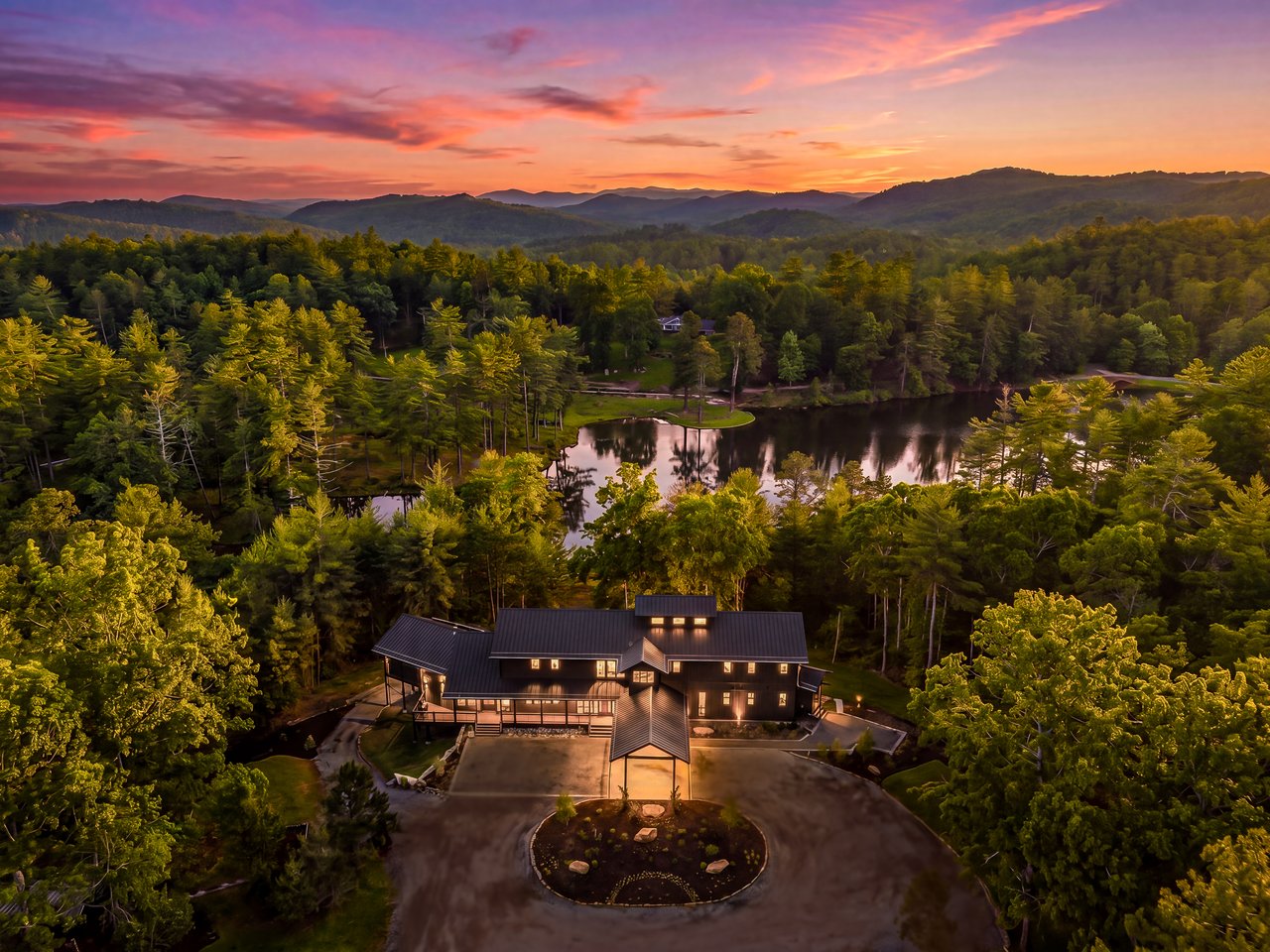
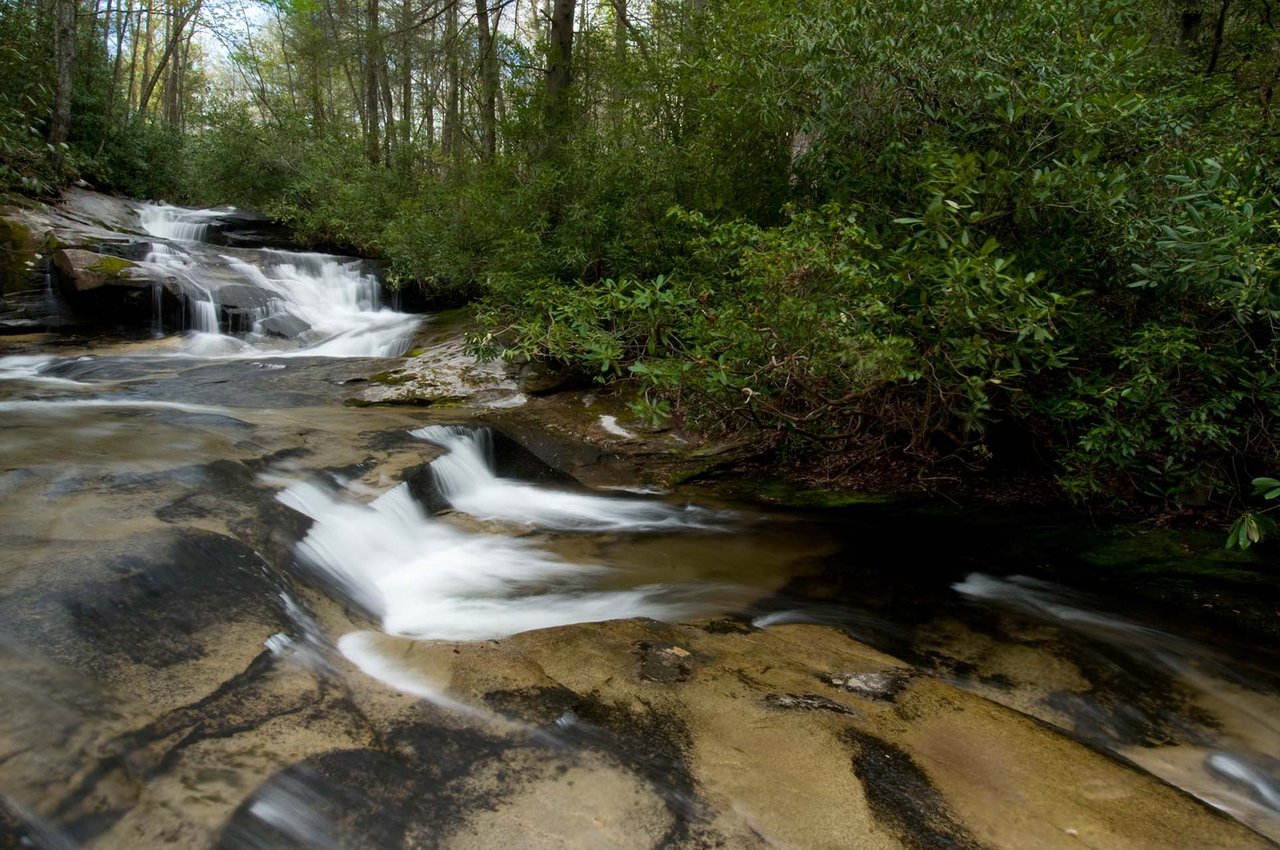
Sutton Knob is marketed as a small, higher‑elevation neighborhood in the Pisgah Forest area, roughly six miles from downtown Brevard and close to Pisgah National Forest access. Broker and MLS materials describe it as a master‑planned setting of about 94 acres with approximately 29 lots and roughly 40 acres reserved as green or open space with trails, ponds, and small waterfalls. Listings also commonly note paved streets and underground utilities in many locations. You can get a feel for the neighborhood on the local community page, then verify recorded details and HOA rules before you rely on them for decisions.
Visit the neighborhood overview for context and current listings on the Sutton Knob page from the local market leader, Team Billy Harris. You can review community highlights and connect for parcel‑level guidance on lots and recent sales activity on the Sutton Knob community page.
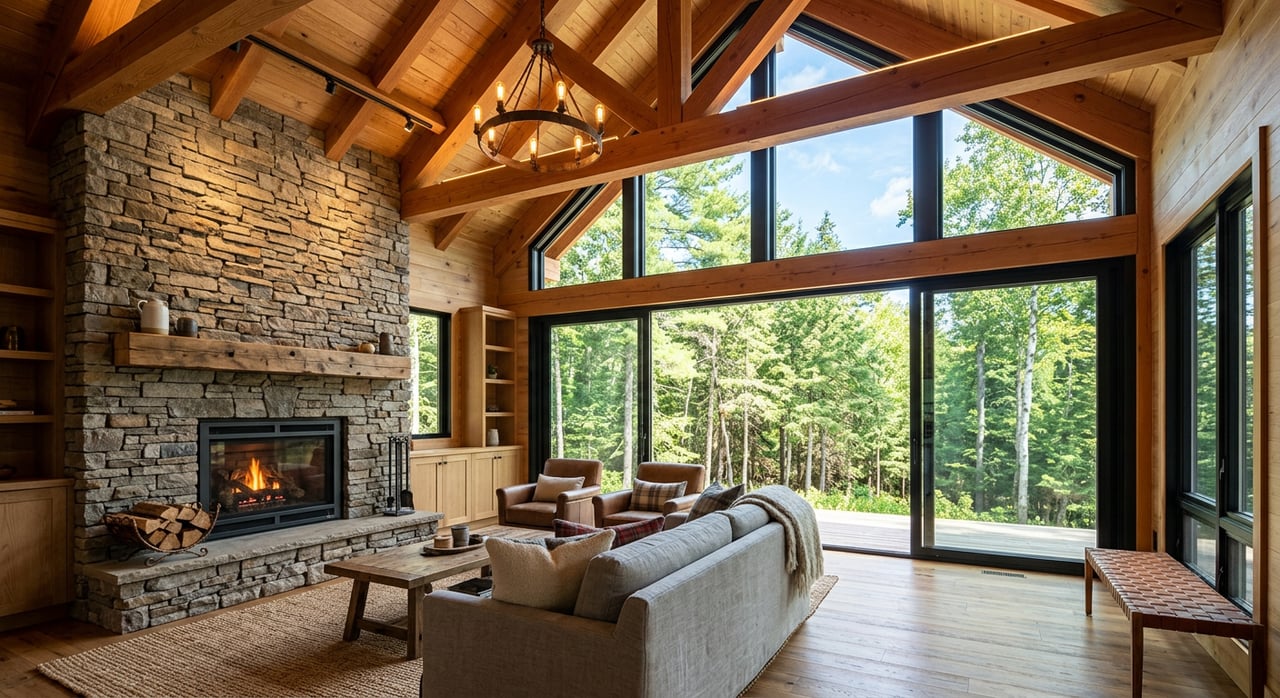
For many buyers, Sutton Knob’s draw is the view. Some lots offer year‑round long‑range vistas, while others may require selective clearing to open sightlines. Balance the desire for a bigger view against the benefits of tree cover like privacy, shade, and erosion control. If solar potential matters to you, remember the U.S. Department of Energy’s guidance that primary glazing within about 30 degrees of true south can support passive heating and solar performance. Roof planes and seasonal shading should be planned with your designer for the best results. Learn more about siting and passive strategies in the DOE’s passive solar guidance.
Gently sloped, benchable ground usually costs less to prepare. Steep or rocky sites can add expense for grading, retaining walls, and specialized foundations. Transylvania County requires engineered design for retaining walls over four feet and for certain construction types, so plan to involve a North Carolina licensed design professional early. Review the county’s current residential permitting checklist for specifics in the Transylvania County permitting requirements.
Many Sutton Knob homes rely on on‑site septic and wells. Before you assume a lot will work, schedule a site evaluation with Transylvania County Environmental Health. The county issues an Improvement Permit and an Authorization for Wastewater System Construction, both typically valid for five years if the site conditions do not change. Ask for copies of any existing permits for the parcel, and confirm whether they remain valid and transferable. Start with the county’s on‑site wastewater page at Transylvania Public Health.
Check the recorded plat and county GIS for streams, floodplain, and setbacks that can affect where you place a driveway and house. If you plan to disturb more than one acre, an erosion and sediment control plan is generally required. Your designer will coordinate with the county on these thresholds. See the county’s process notes in the permitting requirements.
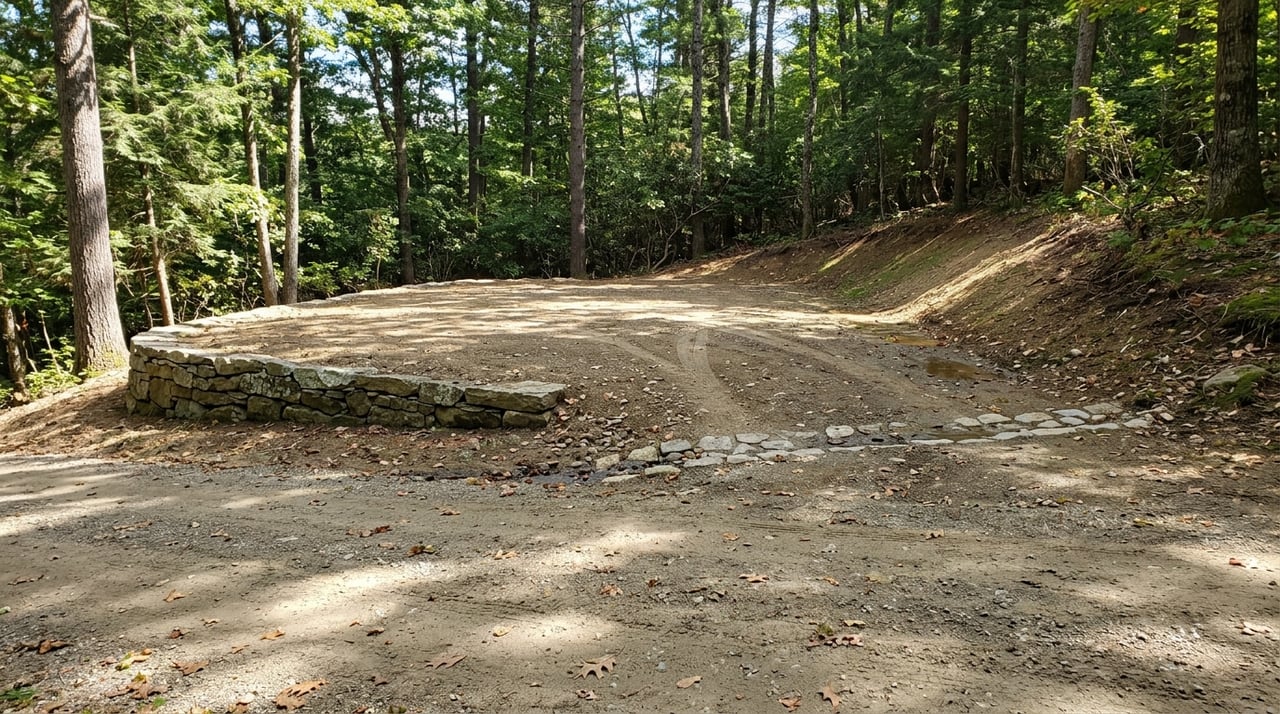
In the mountains, driveway geometry matters. The International Fire Code and related guidance commonly reference a recommended maximum grade around 10 percent for many fire‑access roads, though local officials can require less. Long driveways often need an approved turnaround, and there are minimum width and clearance standards. Confirm requirements with the county building office and fire marshal early in design. For background, see the IFC essentials on fire apparatus access, then coordinate specifics with local officials.
If your driveway will connect to a state‑maintained road, you may also need an NCDOT driveway or encroachment permit. It is best to check this during your due diligence window to avoid surprises. Reference the state rules for driveways into state rights‑of‑way in the North Carolina Administrative Code.
Water and sewer in Sutton Knob are often on‑site systems, so confirm whether the lot has a valid septic Improvement Permit and Authorization, and whether a well is installed and inspected. The county will not finalize electrical authorization until Environmental Health signs off on the septic or sewer and the well report is complete. Electric service is typically provided by regional utilities, and some listings note underground power and fiber on select streets. Verify service locations and any extension costs with providers and the seller, and ask whether lines are at the lot line or will require laterals.
For inspection and close‑out sequencing, review the process notes in the Transylvania County permitting requirements.
Most mountain neighborhoods have recorded Covenants, Conditions and Restrictions and an architectural review process that guides exterior materials, tree clearing, and building footprints. Short‑term rental rules can vary by parcel and can change over time. Request the recorded CCRs, ARC guidelines, and any recent HOA minutes or budgets, then confirm details directly with the HOA. You can pull recorded documents and plats through the Transylvania County Register of Deeds.
Buying an existing home can deliver immediate use and known systems, from driveway and drainage to septic and well. A recent Sutton Knob example reported in MLS closed in 2025 around 830,000 dollars, which can help frame a starting point for comparing to build costs. Building new lets you tailor orientation for views and solar, choose finishes and systems, and benefit from new‑home warranties. The tradeoff is a longer timeline, site‑work variables, and permitting steps that require patience and a seasoned team.
| Factor | Buy Resale | Build New | Notes |
|---|---|---|---|
| Time to enjoy | Weeks to close | Months to design and build | Permitting and site work add time |
| Upfront cost risk | More predictable | Variable with site conditions | Steep lots often mean higher site costs |
| Customization | Limited updates | Full control | Best for view and solar orientation goals |
| Systems and code | Existing systems | Latest codes and warranties | Final approvals tied to septic and well sign‑off |
Pull recorded documents. Request CCRs, ARC guidelines, and plats from the seller and the HOA. If not provided, download them via the Register of Deeds. Confirm road ownership, maintenance obligations, and rental rules.
Confirm septic feasibility. Schedule a site evaluation with Environmental Health to obtain an Improvement Permit and, when ready, an Authorization for Construction. Ask if any existing permits are current and transferable. Start here: Transylvania Public Health.
Engage design professionals. Hillside foundations, retaining walls over four feet, and special construction types require sealed plans by a North Carolina licensed design professional. Your engineer and architect will prepare drawings that support erosion control and building permits. See the county checklist in the permitting requirements.
Address driveway and access. Coordinate driveway grade, width, and turnaround with the county building office, 911 addressing, and the fire marshal. If connecting to a state road, verify any NCDOT permit needs per the NC Administrative Code. Review general fire‑access concepts in the IFC essentials.
Select and verify your builder. Choose a contractor with recent mountain work who can coordinate grading, erosion control, and septic installation. Confirm license status and any disciplinary history with the North Carolina Licensing Board for General Contractors.
Expect timing to vary by lot, season, and county workload. Septic site evaluations can take days to several weeks depending on schedules and site readiness. Design and engineering commonly run weeks to months, and the construction timeline will reflect slope complexity and weather. Build in contingency for site work, since grading, retaining walls, long driveways, and rock excavation are the most common surprises on mountain projects.
Whether you want a turnkey home or a custom build that captures the view and afternoon light just right, local guidance will save you time and headaches. If Sutton Knob is on your short list, let a team that lives the Brevard lifestyle walk you through lots, HOA rules, septic and well steps, and trusted mountain builders. Start a focused search, tour available properties, and build a plan that fits your timeline and goals with Team Billy Harris.

Brevard NC Home Values


Market report for Transylvania County
We pride ourselves on informing and educating our clients in order to make better real estate decisions. Contact us today to find out how we can be of assistance to you!
Get In Touch With Us
TEAM BILLY HARRIS
7737 Greenville Hwy Brevard NC 28712