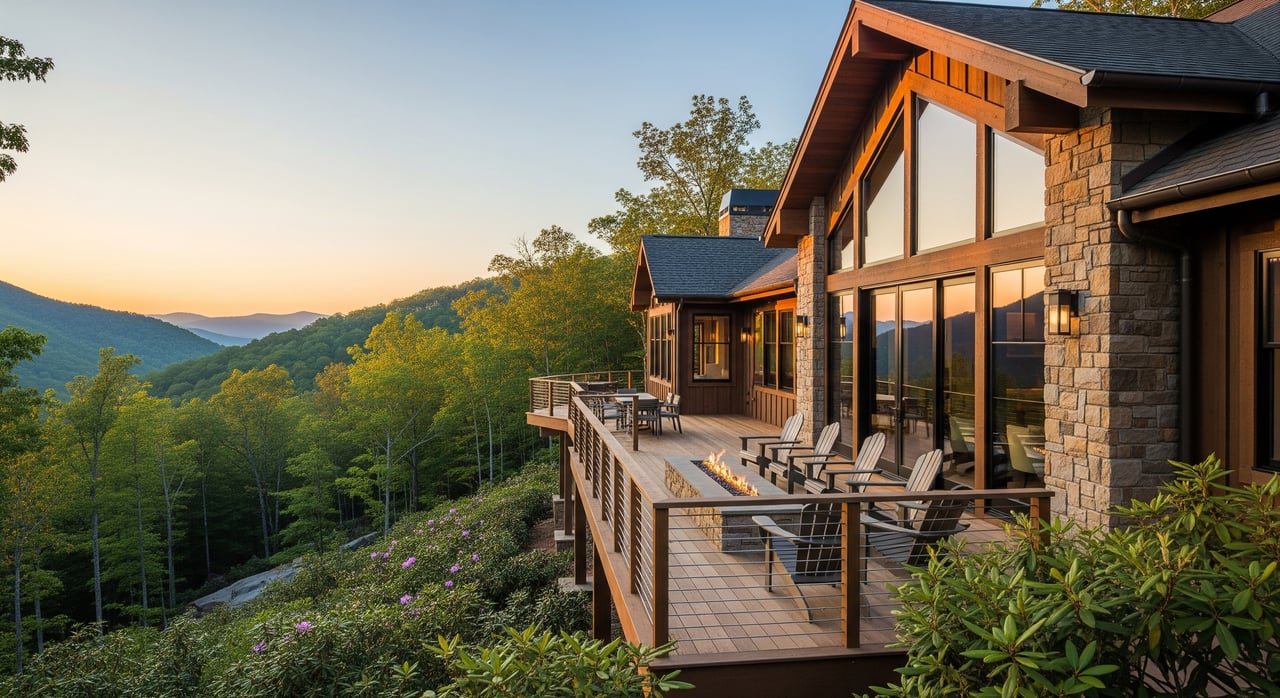
Dreaming about a mountain retreat in Brevard but unsure how the financing works for a second home? You are not alone. Second-home loans follow different rules than primary mortgages, and mountain properties add a few twists of their own. In this guide, you will learn which loan types fit best, what lenders expect for down payments and reserves, how short-term rental plans affect your options, and what to check locally in 28712 before you tour. Let’s dive in.
Conventional loans backed by agency guidelines are a strong fit if your purchase price sits within the local conforming limit. You will want solid credit, steady income, and a conventional down payment source. Rates and fees are often competitive, and underwriting is predictable for qualified borrowers.
The tradeoff is that second-home rules can be tighter than primary mortgages. Expect clear occupancy expectations, limits on short-term rentals, and reserve requirements that show you can support payments on more than one property.
If you are shopping higher-end homes above the conforming limit, a jumbo loan may be the right tool. These programs often require higher credit scores and larger down payments, with stronger documentation. Some high-net-worth jumbo options offer flexible structures, but you should plan for more conservative underwriting and potentially higher reserve requirements.
Portfolio loans are bank-held mortgages with lender-specific rules. They can be ideal for unique properties like log homes or cabins, self-employed buyers with complex income, or scenarios that fall outside standard programs. The benefit is flexibility on property type, rental intent, and documentation. The tradeoff is that terms and pricing vary, so it pays to compare multiple portfolio lenders.
You can also tap equity in your primary home to fund all or part of your Brevard purchase.
These options can add speed and flexibility. Keep in mind that you are increasing leverage on your primary property, and bridge loans typically carry higher costs and need a clear exit plan.
If you plan to operate the property mainly as a rental, some lenders use rental income to qualify under DSCR or other investment-style programs. Non-QM options exist for nonstandard documentation as well. If short-term rentals are part of your plan, ask early how a lender classifies the property. Many agency loans treat nightly rental use as an investment, which can change pricing and terms.
For second homes using conventional loans, typical down payments often range from 10 to 20 percent, with 20 percent common to secure better pricing. Jumbo programs frequently expect 20 to 30 percent down. Some high-net-worth options may accept lower down payments with strong compensating factors, but you should expect tighter terms.
Lenders look for reserves to confirm you can cover both your primary and your new second home. For conventional second homes, six months of PITI is a common benchmark, though strong borrowers sometimes see lower requirements. Jumbo loans often require six to twelve months, and more if you have multiple financed properties. Portfolio requirements vary by lender.
Conventional programs commonly favor mid-600s and above for credit scores, while jumbo programs often target mid-700s for best pricing. Debt-to-income ratios for conventional loans typically cap around the low to mid 40s, with some flexibility depending on compensating factors. Jumbo programs can be stricter. If your income is nontraditional, stronger reserves and lower DTI can help.
A second home is a property you use for personal occupancy part of the year. If you plan to market it for nightly rentals or rely on it as an income property, many lenders will classify it as an investment. That can raise your rate, your down payment, or require a different loan product. Confirm your rental plans with your lender before you write an offer.
Local ordinances and HOA rules can limit or regulate short-term rentals. If you plan to rent, you should:
This early homework helps you choose the right product and avoids surprises in underwriting.
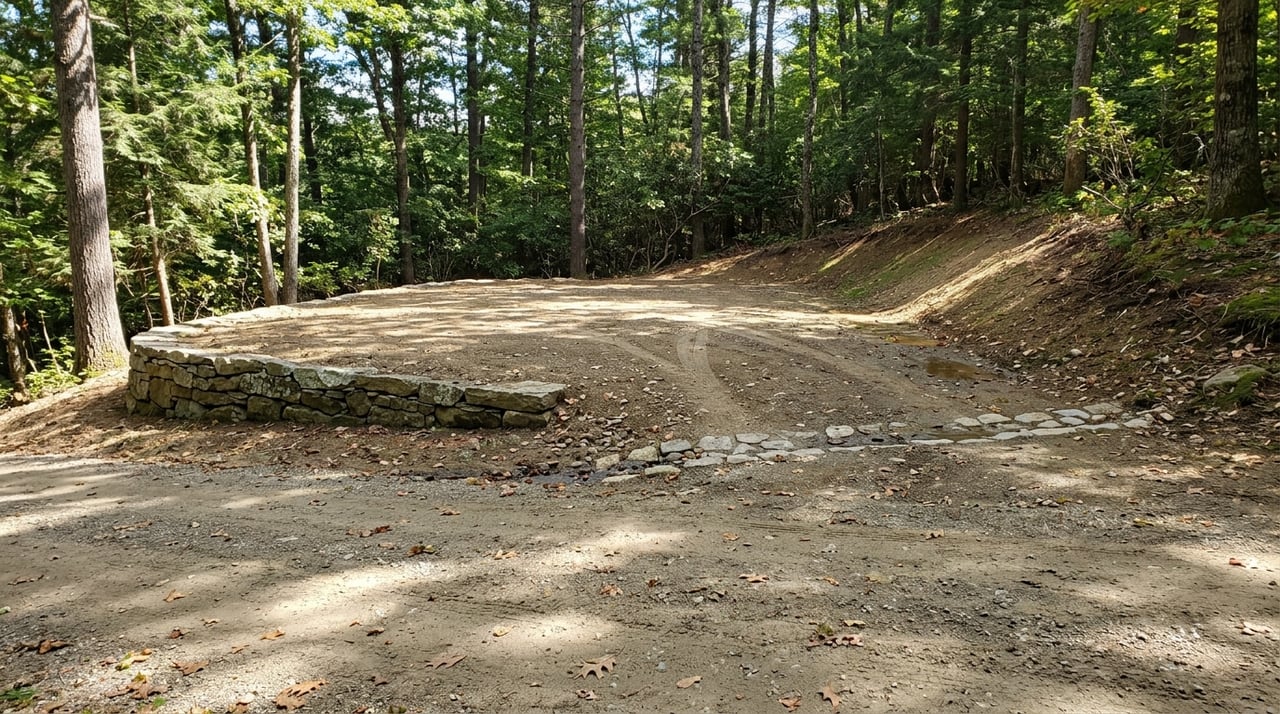
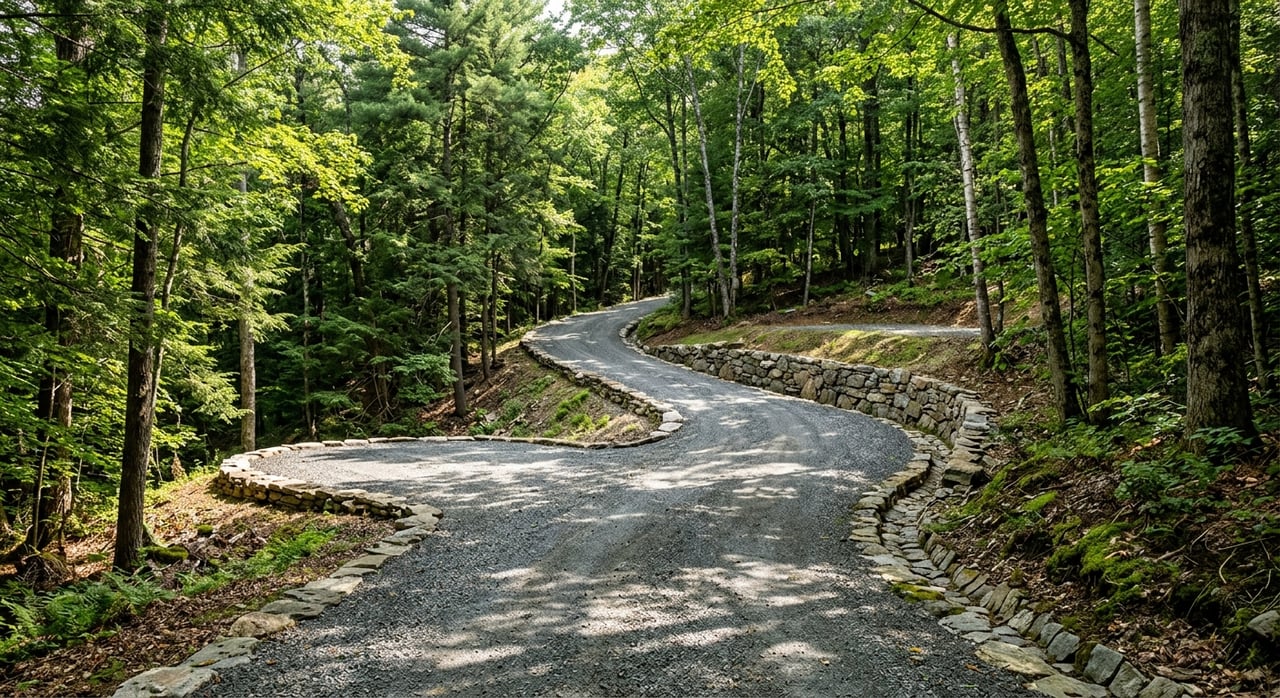
Mountain homes in Transylvania County often feature log or timber construction, private roads, steep driveways, and accessory buildings. Lenders may require appraisers with relevant experience and additional commentary for nonstandard construction. If a property relies on a private well or septic, inspections are commonly required. Access that is gated or not county maintained can raise questions about occupancy and insurance, so get clarity early.
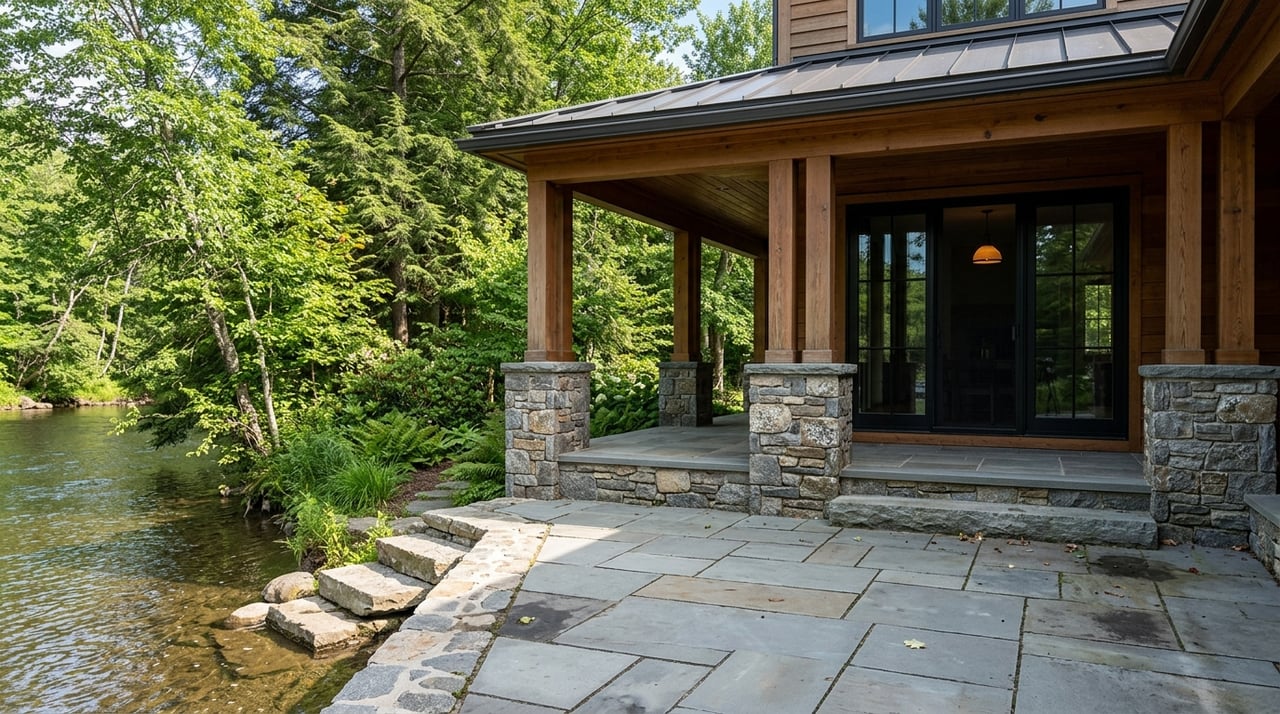
Premiums can be higher for mountain properties depending on location and features. Even in the mountains, localized flood risk exists near streams, so a flood determination may trigger required flood insurance. Wildfire and brush exposure can also influence coverage and cost. Obtain insurance quotes early so you can bind coverage on time for closing.
City and county zoning, plus HOA covenants, may shape how you use the property. If rental income is part of your plan, verify local permitting and occupancy taxes and confirm whether HOAs allow short-term rentals. Lender classification of an STR can affect loan type and terms, so align your financing with your intended use before you go under contract.
Rural recording offices can have different timelines, and some closings still require in-person notarization. Confirm whether remote notarization or a mobile closing is available. Local lenders and title partners often move faster on mountain-specific questions, from well and septic documentation to road maintenance agreements.
You deserve clear financing options and a smooth path to closing. With deep local knowledge of Brevard and Transylvania County and a focus on second-home and mountain properties, our team helps you align your financing strategy with the right neighborhoods, homes, and due diligence steps. When questions come up about wells, septic, log construction, road maintenance, or rental rules, we connect you with the local pros who can give you quick, reliable answers.
If you are exploring a second home in 28712, let us guide your search and coordinate the details from first tour to closing. Start your Brevard search today with Team Billy Harris.

Market report for Transylvania County
We pride ourselves on informing and educating our clients in order to make better real estate decisions. Contact us today to find out how we can be of assistance to you!
Get In Touch With Us
TEAM BILLY HARRIS
7737 Greenville Hwy Brevard NC 28712