Buying in Poplar Crest or greater Brevard and confused about HOA versus POA? You are not alone. The terms sound similar, and in Western North Carolina they often function in similar ways. In this guide, you will learn what each association typically does, what dues usually cover, how CC&Rs work, and the key documents to review before you buy. Let’s dive in.
HOA vs POA: Brevard basics
In North Carolina, HOA and POA are often naming choices rather than different legal types. What matters most is what the recorded documents say about powers, responsibilities, and rules for owners.
Most associations here are nonprofit corporations that operate under recorded covenants, bylaws, and North Carolina statutes. The association’s board, elected by owners, sets budgets, enforces rules, and oversees maintenance of common areas and any private infrastructure.
How associations are set up
- The association is typically created by a recorded Declaration of Covenants, Conditions and Restrictions, often called CC&Rs.
- Articles of Incorporation and bylaws describe the corporate structure and how the board is elected.
- Rules and regulations and architectural guidelines add day-to-day standards for things like exterior changes and use of amenities.
- Local ordinances in Brevard and Transylvania County still apply. Association rules cannot override town or county code.
What dues usually cover
Association dues fund shared responsibilities in the neighborhood. Categories commonly include:
- Common-area care: entry landscaping, signage, trails, and shared open space
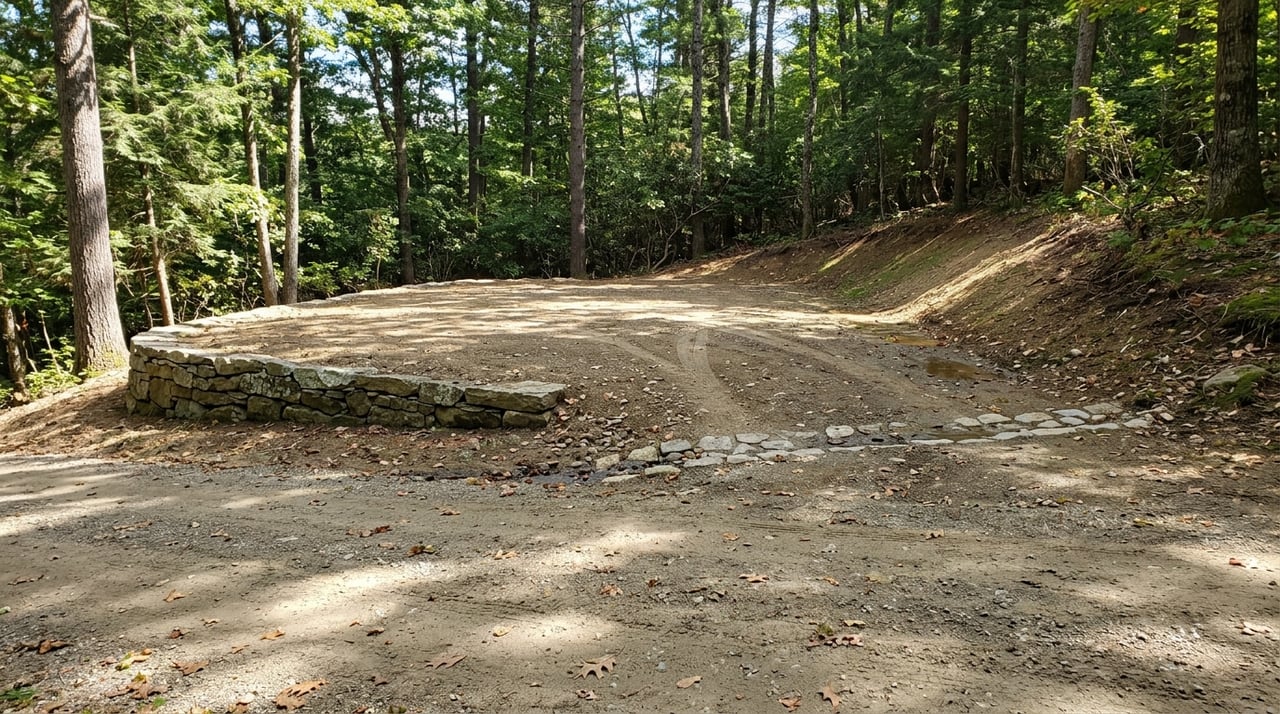
- Roads and access: maintenance of private roads, snow removal, and repair where applicable
- Amenities: pools, clubhouses, fitness rooms, tennis courts, trails, or lakes if the community has them
- Utilities and services: trash service, street lighting, and any shared private water or sewer systems
- Insurance: liability and property coverage for common elements
- Management and professional fees: property management, accounting, legal, and audits
- Administration: mail kiosks, website, meeting costs, and staff if any
- Reserves: money set aside for long-term capital repairs such as paving or amenity updates
Why dues vary locally
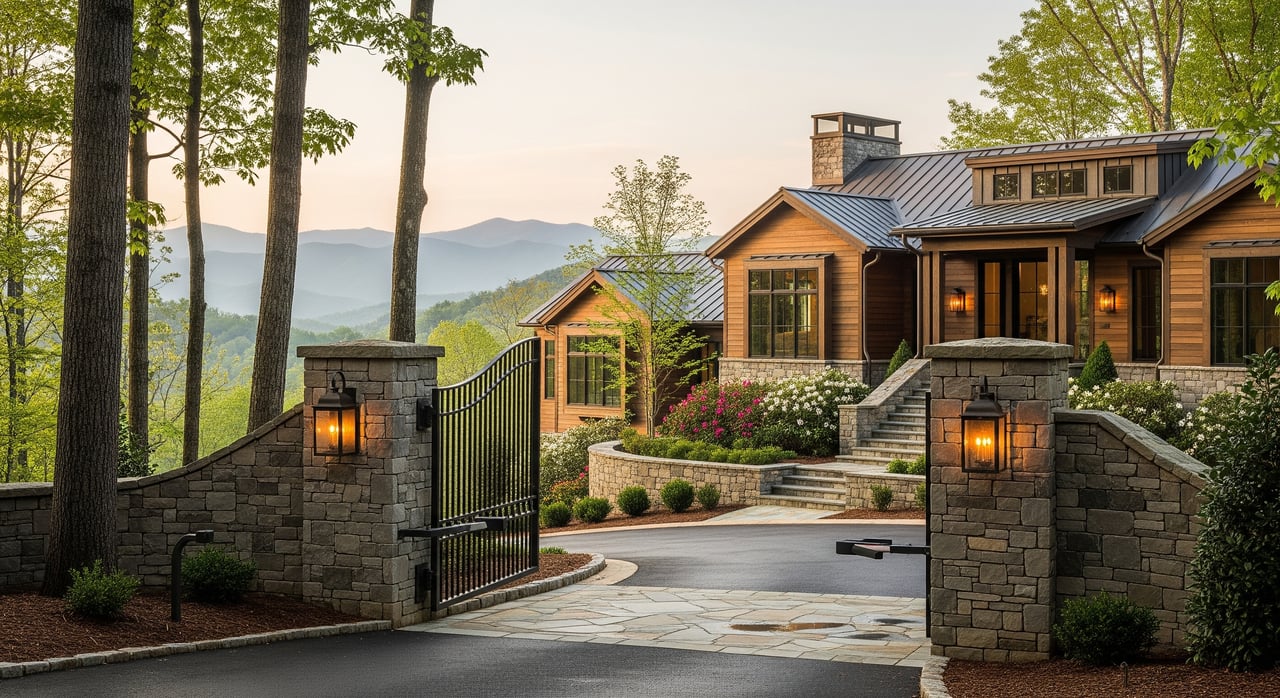
Dues in mountain communities can range widely. A small neighborhood that only maintains landscaping and enforces covenants may have lower dues. A gated or amenity-rich community with private roads and facilities will usually cost more to operate. Contributions to reserves, recent capital projects, and any special assessments also affect what you pay.
CC&Rs and your obligations
CC&Rs are recorded restrictions that run with the land. When you buy, you agree to follow them. These documents typically cover:
- Architectural control: approvals for exterior changes, additions, paint, roofing, and fencing
- Use standards: parking, noise, home-based business limits, exterior storage, lighting, and pets
- Rental policies: minimum lease terms or short-term rental rules when applicable
- Assessments: how dues are calculated, due dates, late fees, and interest
- Enforcement: steps for notices, fines, suspension of privileges, liens, and collection procedures
How rules change
CC&Rs explain how amendments are made, usually by a supermajority of owners. Rules and regulations may be easier to update than the declaration, but changes still follow the process described in the documents. In some communities, a developer may keep control for a period until a set number of lots are sold.
Enforcement and collections
Associations generally follow a process that includes notice, an opportunity to cure, and fines before taking further action. Many associations can place a lien for unpaid assessments. Procedures depend on what the recorded documents allow and on state law, so you should confirm North Carolina specifics and timelines when you review the association’s disclosures.
Poplar Crest local factors to check
Buying in a mountain setting like Poplar Crest means paying attention to details that affect both lifestyle and budget.
- Private road maintenance and winter access: Confirm whether roads are public or private and who pays for paving and snow removal.
- Short-term rentals: Brevard is a destination market. Many associations address rentals directly, and town or county rules may also apply. If you plan to rent, confirm both sets of rules.
- Wells, septic, and utilities: Many properties in Transylvania County rely on private wells and septic systems. Some developments have shared systems governed by the association. Verify maintenance responsibilities.
- Local records: CC&Rs, bylaws, and amendments are recorded with the Transylvania County Register of Deeds. Review these records for the lot you are considering.
Buyer due diligence checklist
Request and review these items from the seller, the listing agent, or the association:
- Recorded Declaration/CC&Rs, Articles of Incorporation, bylaws, and any amendments
- Current rules and architectural guidelines
- Current year budget and the most recent financial statements
- Reserve study, or a summary of reserve funding and planned capital projects
- Board and owner meeting minutes for the last 12 to 24 months
- Assessment statement for the property, including any balances or arrears
- Information on pending or recent litigation involving the association
- Summary of special assessments in recent years
- Insurance summary, including master policy coverages and deductibles
- Management agreement if a third-party manager is used
- Resale or estoppel certificate that details dues, fees, delinquencies, and any pending assessments
Key questions to ask:
- What are the current dues, the payment schedule, and any recent increases?
- Are special assessments planned or likely in the near term?
- How well funded are reserves, and when was the last reserve study?
- Are there rental restrictions or minimum lease terms?
- Who maintains roads, street lighting, stormwater systems, and any shared utilities?
- Are there ongoing enforcement actions or disputes with owners?
- Is the association involved in litigation?
- What percentage of owners are delinquent on assessments, and is the association solvent?
During escrow: smart steps
- Review the resale or estoppel certificate carefully for fees, balances, and pending assessments.
- Speak with the property manager or a board representative to clarify rules and upcoming projects.
- Read recent meeting minutes for signs of budget pressure, developer transition, or enforcement concerns.
- If you are considering short-term rentals, confirm association policy and check town or county requirements.
Second-home and rental tips
- Ask how rental activity is monitored and enforced and how parking and guest access are handled.
- Confirm insurance expectations for owners versus the association’s master policy.
- Clarify any rules on exterior lighting or quiet hours if you plan to host guests.
Compare HOA vs POA fit
Instead of focusing on the label, compare responsibilities and lifestyle fit across communities.
- Responsibilities: Identify what the association maintains, including roads, amenities, or shared utilities.
- Governance: Understand how the board operates, meeting schedules, and communication practices.
- Finances: Review dues trends, reserve funding, and any recent or planned special assessments.
- Lifestyle fit: Confirm rules around pets, parking, exterior changes, and rentals to be sure they match your plans.
Ready to tour Poplar Crest?
Choosing the right community is about matching your lifestyle and budget with the right association structure. If you want help interpreting CC&Rs, understanding dues, or comparing neighborhoods around Brevard, you can work with a local team that lives the mountain lifestyle every day. Connect with Team Billy Harris to start your search and get neighborhood-level guidance from offer to close.
FAQs
What is the difference between an HOA and a POA in Brevard?
- In North Carolina, HOA and POA are often used interchangeably. The key difference is what the recorded documents assign to the association in terms of powers, rules, and maintenance.
What do HOA dues typically cover in Poplar Crest and nearby areas?
- Dues usually fund common-area care, private road maintenance where applicable, amenities, insurance, management, and reserves. Exact coverage depends on the recorded documents and annual budget.
How do I find CC&Rs for a Transylvania County property?
- Check the Transylvania County Register of Deeds for recorded declarations, bylaws, and amendments tied to the property’s legal description or subdivision name.
Are short-term rentals allowed in Brevard neighborhoods?
- Policies vary by association, and the town or county may have rules as well. Confirm both the community’s rental policy and local ordinances before you plan to rent.
Who maintains roads in mountain communities like Poplar Crest?
- Some neighborhoods have public roads maintained by local government, while others have private roads maintained by the association. Verify road ownership and maintenance obligations in the documents.
What is a resale or estoppel certificate and why does it matter?
- It summarizes dues, fees, delinquencies, and any pending assessments for a specific property. Reviewing it helps you avoid surprises at closing and plan for future costs.