
If your perfect day starts with a sunrise hike and ends by a waterfall, Pisgah Forest might be your sweet spot. But “trail access” can mean different things, and listings do not always explain the details that matter. In this guide, you will learn how to define the type of access you want, vet roads and utilities, plan for seasonal changes, and use a simple checklist to compare homes. Let’s dive in.
Before you tour homes, be clear about the access you value most. In Pisgah Forest and greater Transylvania County, “trail access” usually falls into one of three buckets:
Ask every seller to specify which type applies. If a listing claims “walk to trails,” request the recorded easement language or map that proves it. Informal paths across neighbors’ land are not the same as deeded access.
Different destinations shape your daily routine and resale story. If quick, no-hike water fun is a must, learn the rules and seasonality at Sliding Rock. There are seasonal lifeguards, a per person fee when staffed, and the lot can close when full. Review current Sliding Rock recreation area information and note that hours and staffing vary by season.
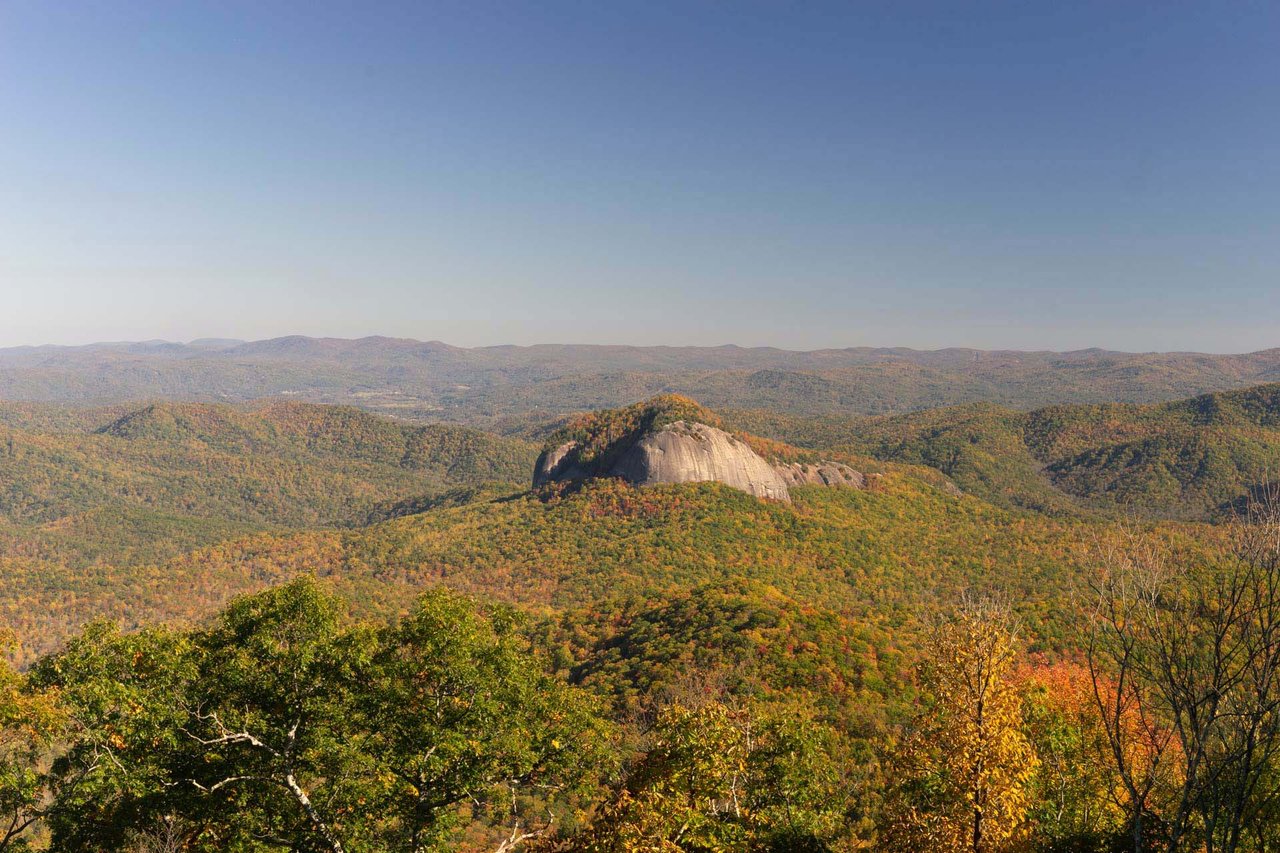
If you want iconic scenery and shorter outings, Looking Glass Rock, Looking Glass Falls, and Moore Cove Falls are top draws that see heavy use in summer and fall. Study the Looking Glass Rock Trail details to picture the route and typical crowds at peak times.
Mountain bikers should plan around trail work, seasonal mud, and gated Forest Service roads. Local volunteers keep riders informed, so check Pisgah Area SORBA for trail status and stewardship updates.
Many buyers also like variety between Pisgah and DuPont State Recreational Forest near Brevard. When you tour, time the actual drive from each property to your priority trailheads, then note weekend parking realities. If a listing hints at “private access,” ask whether that is a recorded easement, public boundary adjacency, or an informal path.
You will encounter a mix of state highways like US 276 and US 64, county roads, Forest Service roads, and private or shared driveways. Some Forest Service roads are gravel, narrow, and seasonally gated. For current conditions and closures, review the Pisgah Ranger District road and trail alerts before you place too much weight on a specific route.
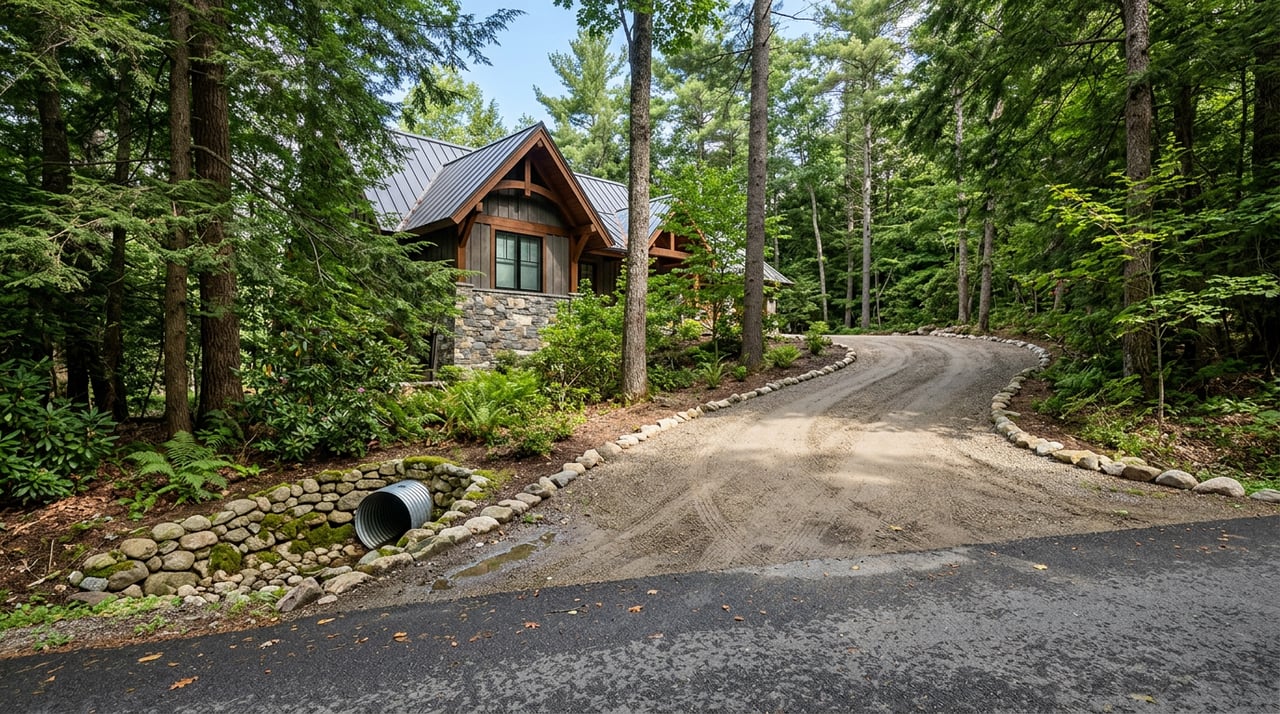
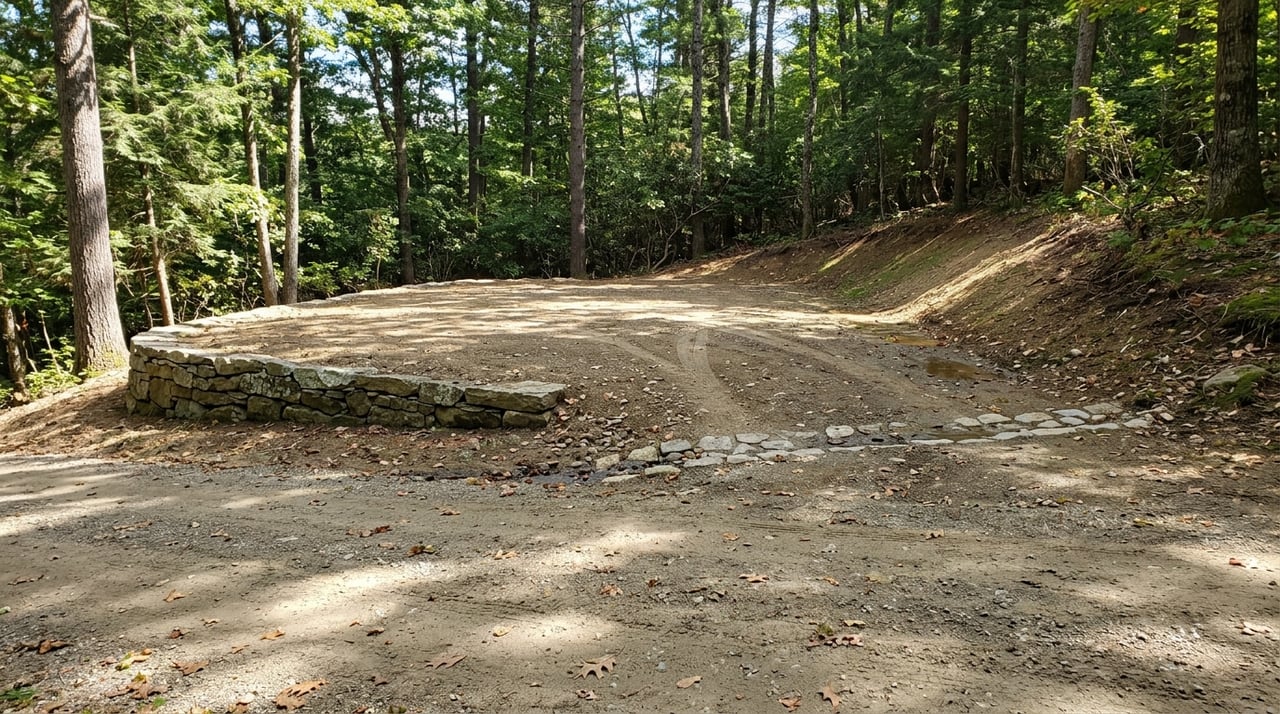
Many homes sit on narrow country lanes, gravel backroads, or long shared drives. That affects winter access, emergency response, and guest parking. Always ask if there is a written road maintenance agreement and whether the road is on a recorded easement. If you have questions about road classifications or who maintains what, the county can direct you to the right department using the Transylvania County directory.
Driveway quick check
Most rural homes here use private wells and on-site wastewater. Ask for permit history, septic design bedroom count, any repair permits, and recent water test results. The bedroom count on the septic permit controls legal occupancy and can affect short-term rental plans. For permits, inspections, and records, start with Transylvania County Environmental Health.
For power, Duke Energy is the primary electric provider in the area. Natural gas service is limited and appears in pockets, often by PSNC. Ask the seller about outage history and whether lines are overhead or run long laterals through the woods. You can confirm utility basics through local relocation resources that note providers like Duke Energy, such as the Brevard relocation information page.
Broadband availability is highly address dependent. Advertised coverage can be optimistic in the mountains, and cell service can be spotty, especially near backcountry areas. Do an on-site test during your showing for your carrier and the in-home internet provider. If you plan to work remotely, make broadband and cell reliability a top screening item.
For trash pickup, confirm whether the home has municipal service or private hauler coverage. Some remote roads have special pickup rules.
Wildfire events can change access and insurance perceptions quickly. Western North Carolina saw multi-agency wildfire incidents in 2025 that led to temporary forest closures, evacuations in parts of Transylvania County, and regional air-quality impacts. Review the county’s 2025 wildfire information and alerts and sign up for local notifications.
Major storms and forest maintenance can close trails and Forest Service roads for weeks at a time. Check the Pisgah Ranger District alerts periodically, and expect intermittent closures after severe weather.
Many attractive properties sit near streams like the Davidson River and its forks. Do not assume a home is out of risk because it sits above the bank. Lenders and insurers rely on FEMA maps and the local floodplain administrator. Do a quick address search on the FEMA Flood Map Service Center early in your screening.
Bring this checklist to every showing and fill it out on the spot:
For questions about specific recreation sites, you can also call the Pisgah Ranger District for rules, closures, and permits.
Protect your timeline by lining up key inspections as early as possible, either before you write or as firm contingencies:
Use this 0 to 10 scale to compare multiple listings. Weight each category based on your priorities.
Tip: A weekend second home buyer may weight Trail Access and Privacy higher than daily broadband speed. A remote worker may put Utilities and Road Reliability at the top.
The right Pisgah Forest home gives you fast access to trails without giving up safety, year-round reliability, or resale strength. Start by defining your version of “trail access,” then verify roads, utilities, and hazards with the same care you put into the kitchen and views. Ask for recorded documents when access is claimed, and order the right inspections early so you can move with confidence.
When you are ready to compare listings or pressure test a property’s access story, connect with the local team that lives the outdoor lifestyle and knows these roads, easements, and utilities well. Reach out to Team Billy Harris to start your Brevard search.
Brevard NC Home Values

Market report for Transylvania County
We pride ourselves on informing and educating our clients in order to make better real estate decisions. Contact us today to find out how we can be of assistance to you!
Get In Touch With Us

TEAM BILLY HARRIS
7737 Greenville Hwy Brevard NC 28712