
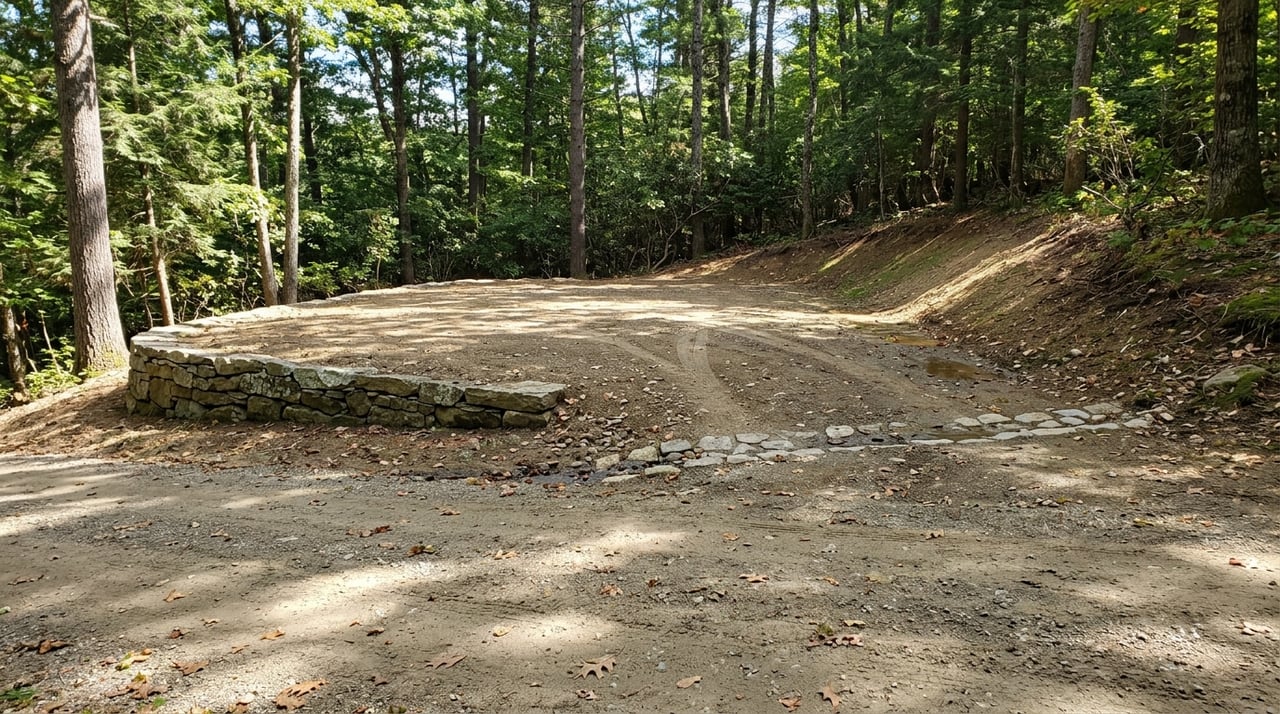
If you own land in Big Hill, you are not just selling acreage. You are selling a specific mountain-land story in one of Transylvania County’s most sought-after outdoor settings. The buyers most likely to move forward are usually not looking for vague lifestyle language. They want clear answers about access, buildability, utilities, and what the parcel actually offers. This is where smart positioning matters, and it is also where the right preparation can help your property stand out. Let’s dive in.
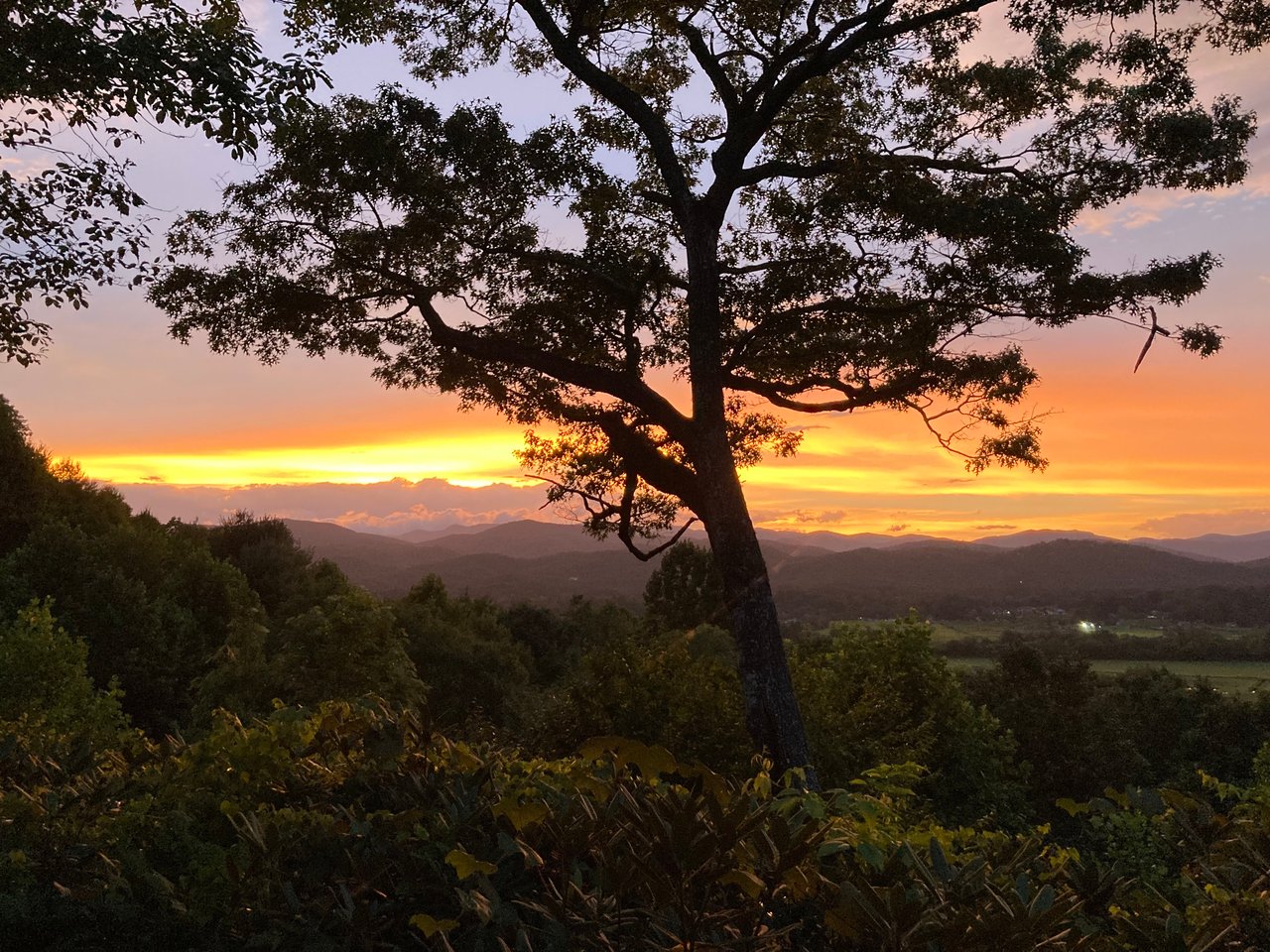
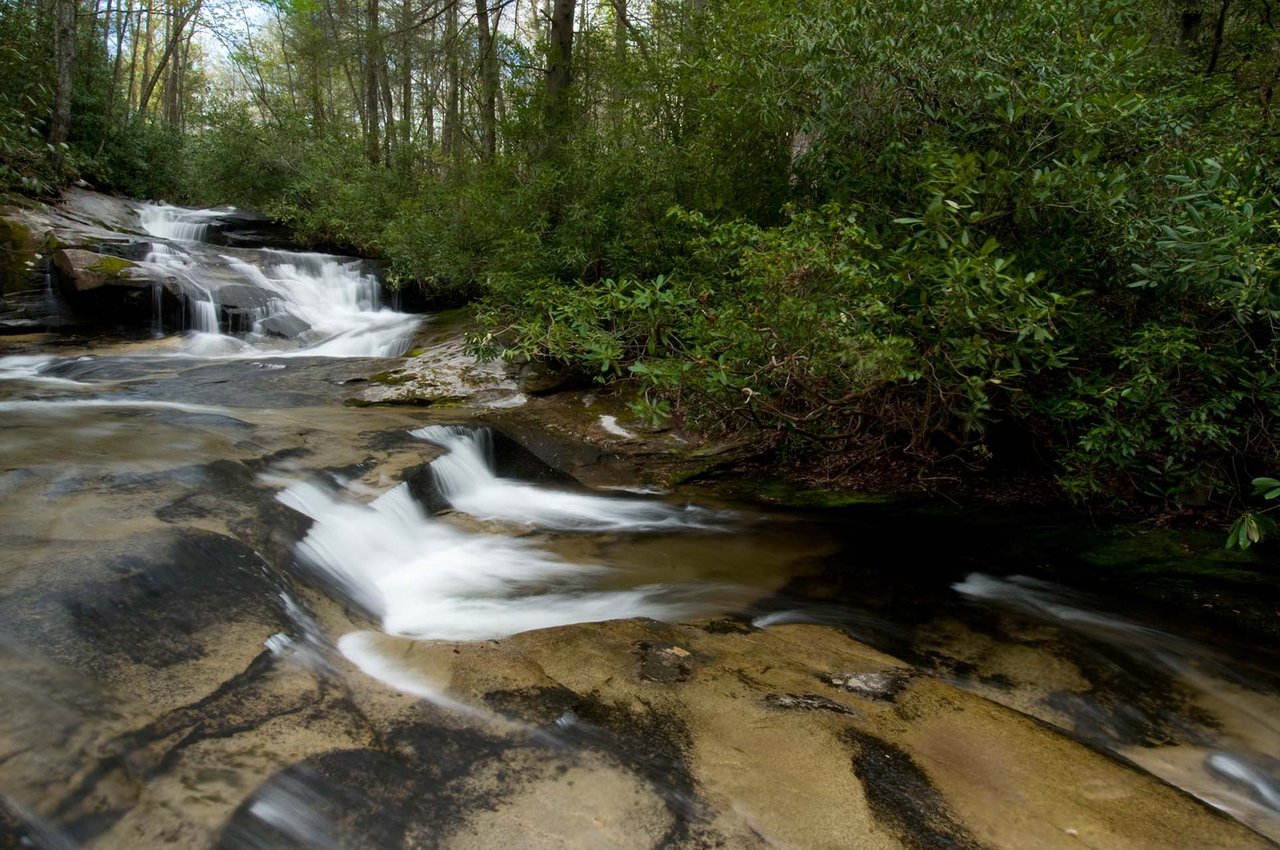
Big Hill benefits from a location story that is easy to understand and highly relevant to land buyers. In Brevard’s 28712 area, Transylvania County is widely known as the Land of Waterfalls, with access to Pisgah National Forest, Gorges State Park, and DuPont State Forest. For many buyers, that combination of mountain recreation and proximity to town is a major reason to consider land here.
The community itself adds another layer of value. According to Big Hill community information, the development includes roughly 600 acres, private paved and gravel roads, underground electric and telephone utilities, plus streams and springs. For a buyer comparing raw mountain acreage to a parcel in an established community, those details can make a meaningful difference.
Big Hill also sits beside a notable public-land resource, but that feature needs to be described correctly. The official name is Headwaters State Forest, not Headwaters State Park. That distinction matters because qualified buyers notice when listing language is accurate and when it is not.
Mountain land buyers tend to evaluate parcels in a practical order. Before they fall in love with a view, they usually want to know whether they can reach the property easily, whether it can support a homesite, and what approvals may still be needed.
A great parcel can lose momentum quickly if access is unclear. NC State Extension notes that a documented access easement can be invaluable when a property does not have direct road frontage. In mountain markets, that is not a minor detail. It is often one of the first screening questions serious buyers ask.
That is especially important when a buyer is comparing one parcel to another online. If your marketing package clearly explains private road access, road frontage, or recorded easement rights, you remove uncertainty early. If it does not, qualified buyers may simply move on.
A sweeping view does not automatically mean a parcel is easy to build on. NC State Extension guidance recommends securing a septic improvement permit before purchasing a homesite because soils and site conditions determine whether approval is possible. In other words, buyers are not just buying land. They are buying the likelihood of a workable homesite.
Transylvania County’s permit process reinforces that point. The county’s residential permit checklist may require septic approval, a survey or GIS tax map, and in some situations a floodplain development permit. When sellers can speak clearly to those items, the parcel feels more real and more ready.
A common assumption is that no county-wide zoning means few rules apply. That is not the full picture. Transylvania County planning guidance explains that while the county does not have county-wide zoning, land-use ordinances still apply outside Brevard, Rosman, and Brevard’s ETJ.
Buyers should also review parcel-specific GIS layers such as Flood, ETJ, and Zoning before relying on a general property description. For sellers, this means your marketing should never overstate what a parcel can do. Clear, well-supported information builds confidence and protects credibility.
The best-performing land listings usually do not try to impress buyers with generic mountain language. Instead, they answer practical questions quickly and back up the lifestyle story with usable facts.
Your first job is to reduce uncertainty. A clean fact sheet should include:
These are the due-diligence items buyers often look for first, and they align closely with NC State Extension’s land evaluation guidance. When these details are easy to find, buyers are more likely to stay engaged.
In mountain communities like Big Hill, buyers need help visualizing how the land lays. Aerial imagery is useful, but it works even better when paired with topographic context, a marked building site, and maps showing the parcel’s relationship to Brevard, DuPont, Headwaters, and nearby recreation points.
This is one reason premium land marketing matters. Drone imagery, strong mapping, and a thoughtful property presentation can help buyers understand slope, privacy, views, and possible home placement before they ever visit in person. That kind of preparation tends to attract better-informed inquiries.
Recreation is a major part of the Big Hill story, but it has to be described carefully. Headwaters State Forest is managed for conservation, education, and low-impact recreation, and public use is limited to foot travel. It also has very limited parking, no public facilities, and poor or non-existent cell service.
That is very different from DuPont State Recreational Forest, which many buyers associate with broader multiuse trail access. If your parcel overlooks public land, say that. If it borders public land, say that. If it has direct legal access to a trail or trailhead, say that only if you can verify it.
Big Hill buyers are often drawn to wooded settings, long-range views, and a sense of separation from neighboring homesites. Those features are not just emotional selling points. They are part of the parcel’s practical value story in this market.
Transylvania County planning materials emphasize the importance of community appearance, views, and green space. That local framework helps explain why protected sightlines, tree cover, and the orientation of a homesite can influence buyer perception so strongly. In a market like this, privacy and view potential deserve to be documented and illustrated, not just mentioned.
Even strong parcels can underperform when the marketing leaves too many gaps. In Big Hill and across Transylvania County, a few issues come up again and again.
If a parcel has a clear build site, survey work, utility availability, or permit history, say so specifically. If those items are still unconfirmed, avoid broad claims and explain what remains to be verified. Buyers respond better to honest detail than to vague optimism.
A parcel can be near Headwaters without having direct trail access. It can have mountain views without a practical driveway route. It can be large without offering an easy homesite envelope. Clear distinctions like these help attract buyers who are truly prepared to move forward.
Roadside signage still has a role, but it should not carry the entire strategy. Transylvania County’s sign-control rules are intended to preserve scenic quality, and some signs require permits. For land, digital marketing tools often do more of the heavy lifting than a highway sign ever can.
For many landowners, the best time to list is not the moment they decide to sell. It is the moment the parcel package is clean enough for a serious buyer to understand quickly.
That usually means having the survey ready, access documented, septic status clarified, restrictions summarized, and the homesite story mapped correctly. This approach reduces back-and-forth, helps buyers underwrite the opportunity faster, and can lead to stronger interest from people who are actually qualified.
Transylvania County has also recognized broader housing supply and planning challenges. While that does not set value on its own, it does support a practical takeaway: well-documented build sites are often easier to market than raw acreage with unanswered questions.
Pricing land well requires more than comparing acreage totals. In Big Hill, pricing should reflect what a buyer can actually do with the parcel. Access quality, utility availability, septic feasibility, road conditions, homesite readiness, privacy, and view orientation all shape how the market will respond.
For larger tracts or small development opportunities, county subdivision standards can matter too. Transylvania County subdivision materials show that road width, grade, turn radius, and fire-access considerations may affect whether land can be split or marketed as a multi-lot opportunity. That is why raw acreage and ready-to-position acreage rarely command the same pricing story.
Big Hill parcels deserve more than a basic listing description. They need a strategy that combines local land knowledge with polished presentation. When the story is documented well, premium visuals and targeted exposure can help the right buyer see the property’s full potential.
That is where local experience matters. A team that understands Transylvania County land, knows how to present mountain parcels accurately, and can build a strong digital package will usually position your property more effectively than a one-size-fits-all approach. If you are thinking about selling in Big Hill, Team Billy Harris can help you assemble the details, present the parcel clearly, and market it with the kind of care mountain land deserves.
Brevard NC Home Values


Market report for Transylvania County
We pride ourselves on informing and educating our clients in order to make better real estate decisions. Contact us today to find out how we can be of assistance to you!
Get In Touch With Us

TEAM BILLY HARRIS
7737 Greenville Hwy Brevard NC 28712