
Torn between a cozy cabin near the trails and a private estate with room to spread out? In Cedar Mountain, you have access to waterfalls, lakes, and singletrack minutes from your door, plus the small-town comfort of nearby Brevard. The right choice comes down to how you plan to live, work, host, and maintain a mountain property. In this guide, you’ll compare costs, utilities, land care, rental rules, and due diligence steps specific to Cedar Mountain so you can buy with confidence. Let’s dive in.
Cedar Mountain sits at roughly 2,704 feet in Transylvania County along US‑276, about 8 to 10 miles south of downtown Brevard. You’re close to the heart of DuPont State Recreational Forest, with popular access points off Staton and Buck Forest roads that draw hikers, bikers, and waterfall chasers year-round. Get a quick geographic snapshot on the Cedar Mountain overview and see why this ridge-and-river landscape is such a lifestyle magnet.
Proximity to DuPont is the main pull. Visitors are regularly directed to park at the Hooker, High Falls, and Triple Falls areas, all near Cedar Mountain, which means easy weekend access for you too. If trail time is a priority, review DuPont’s Plan Your Visit information to understand access points and travel patterns around the forest.
On pricing, aggregator sources place typical ZIP‑level values in the low-to-mid 300s to low 400s, with one recent median around $350,000 for 28718. Inventory and prices move quickly in mountain markets, so use parcel-level comps and work with a local expert when you get serious.
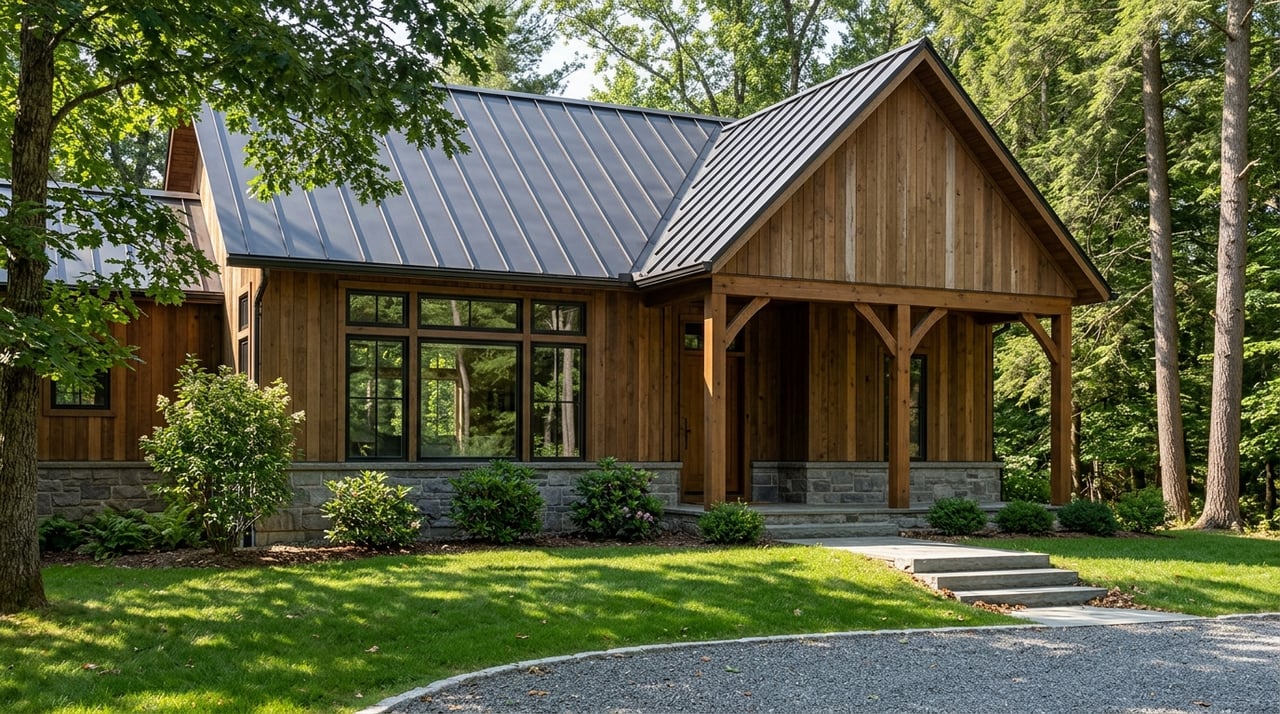
Cabins usually offer a lower entry price, a smaller footprint, and easier day-to-day upkeep. Many sit on modest lots and cluster near DuPont access corridors, which makes hopping onto a trail a breeze. Expect a more social setting and some seasonal visitor traffic in popular areas. Insurance and utilities can be simpler for smaller homes, which keeps ownership straightforward.
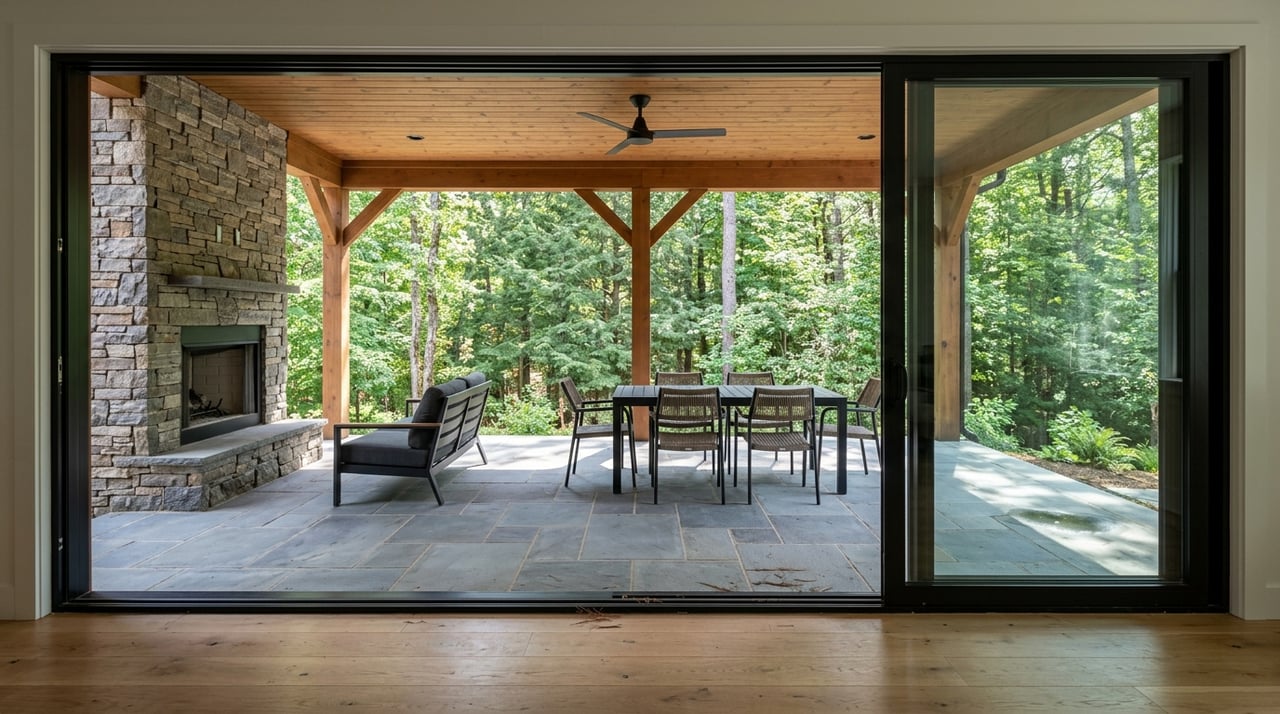
Estate homes pair larger square footage with several to tens of acres. You gain privacy, room for gardens or future guest spaces, and often better long-range views. The tradeoff is higher ongoing upkeep: longer driveways, more landscape care, and systems sized for a larger home. If you value separation from neighbors and space to host, an estate’s flexibility can be worth the added management.
Many Cedar Mountain properties rely on private wells and on-site septic systems. Transylvania Public Health oversees permits, inspections, and records for both. Before you write an offer, plan to request septic and well files and build in contingencies for a septic inspection and water quality testing. The county’s Environmental Health guidance is your go-to source for details on permits, records, and sampling steps. Learn more at Transylvania Public Health’s Environmental Health page.
Here are common costs to plan for:
Mountain homes use a mix of heat pumps, propane, and wood stoves. Wood heat adds charm and backup heat but requires chimney cleanings and wood handling. Insulation and air sealing matter at this elevation, since cool nights and freeze–thaw cycles are common.
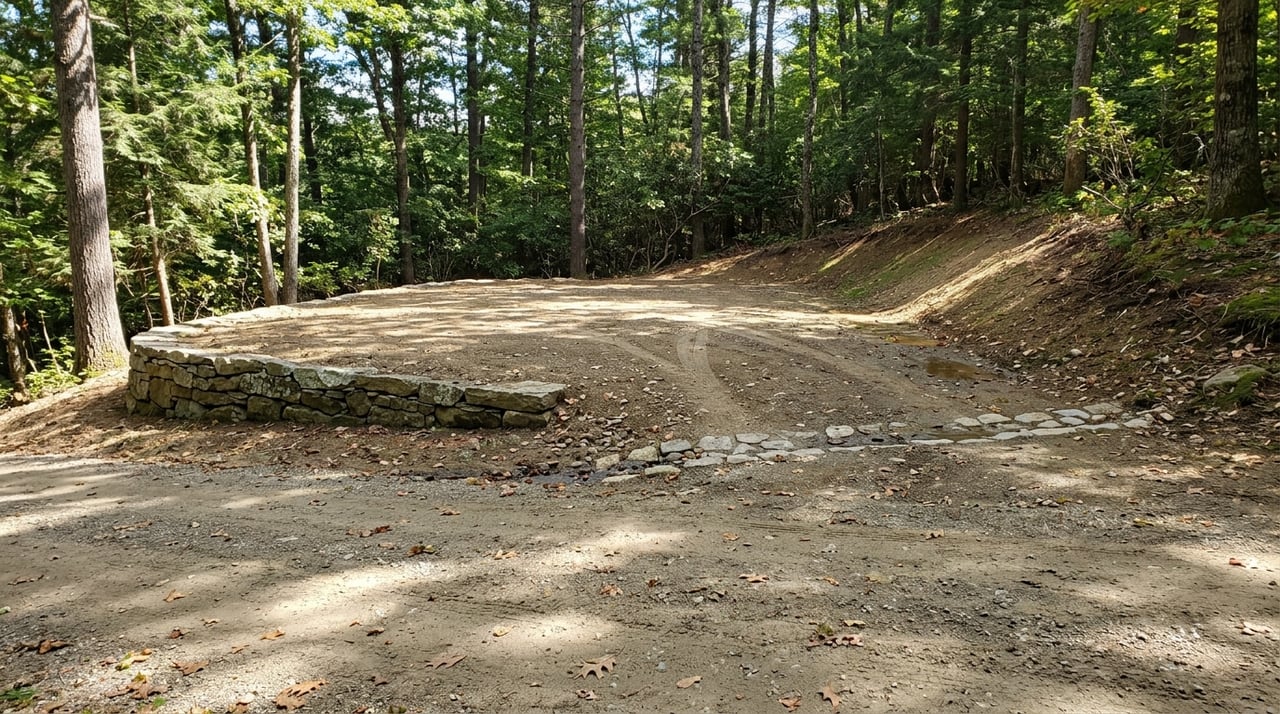
Winter access varies by elevation and road type. County or state roads are typically plowed first, while private drives are the owner’s responsibility. If a property sits up a steep, shaded drive, ask about snow removal arrangements and confirm that delivery and emergency vehicles can navigate year-round.
If you plan to host, know the rules before you invest. Transylvania County levies a 5 percent local occupancy tax that applies to many short-term rentals, and hosts must register and remit according to county rules. The county’s Tourism Development Authority outlines this structure in its TDA audit and occupancy tax report.
Public health rules can also apply for paid lodging. Contact Environmental Health early to determine if inspections or upgrades are required for your setup, especially if you serve food or operate more like an inn or B&B. Start with Transylvania Public Health’s lodging and permitting guidance.
Operationally, a guest-ready property needs septic capacity sized for your expected occupancy, adequate well yield, off-street parking, and safe egress with clear signage. Assess road access for larger vehicles and delivery vans, and plan for turnover logistics in peak seasons.
Address-level internet is the decider. Some Cedar Mountain addresses have cable or fiber, while others rely on fixed wireless or satellite. Confirm actual speeds at the home, not just on a provider map. Use the BroadbandNow Cedar Mountain lookup to identify options, then run a speed test from the property before you commit.
A small cabin close to DuPont access points delivers instant lifestyle value. You can be on the Hooker, High Falls, or Triple Falls trails in minutes, but expect more visitor traffic near those corridors. Estates set back on acreage trade direct proximity for quiet, views, and room for on-property paths or bike storage. Review DuPont’s visitor information to understand access patterns.
Focus on function and compliance first. Verify septic capacity, well output, driveway access, and safety basics like lighting and egress. Contact Environmental Health to clarify whether your setup triggers lodging rules and inspections, and register for local occupancy tax collection before you list.
There are a few local files that should be on your desk before you negotiate. For homes with a septic system or private well, request existing records from Transylvania Public Health, and verify any prior improvement permit or construction authorization associated with the parcel. The county outlines permits, testing options, and record requests at the Environmental Health portal.
If the property is near a creek or sits in a low area, check FEMA flood maps and the county’s Flood Damage Prevention Ordinance. Certain projects in Special Flood Hazard Areas require a floodplain development permit. Read the county’s floodplain rules overview, then confirm map status for the exact address.
Planning and future rules matter too. Transylvania County’s Cedar Mountain Small Area Plan includes land-use recommendations that could influence future policy. Before you invest, confirm current zoning or ordinance status with Planning & Community Development and review the Cedar Mountain Small Area Plan for context.
For budgeting, the county’s recommended FY2026 property tax rate is $0.4105 per $100 of assessed value. Reappraisals can change individual bills, so review the county budget document and the parcel’s tax history during due diligence.
Whether you are eyeing a tucked-away cabin or a view-forward estate, local details make the difference in Cedar Mountain. From septic records and floodplain status to internet reliability and driveway gradients, it pays to verify specifics early. If you want a clear path from first showing to close, connect with Team Billy Harris for boots-on-the-ground guidance, parcel-level insights, and a search strategy that fits your lifestyle.


Market report for Transylvania County
We pride ourselves on informing and educating our clients in order to make better real estate decisions. Contact us today to find out how we can be of assistance to you!
Get In Touch With Us

TEAM BILLY HARRIS
7737 Greenville Hwy Brevard NC 28712