
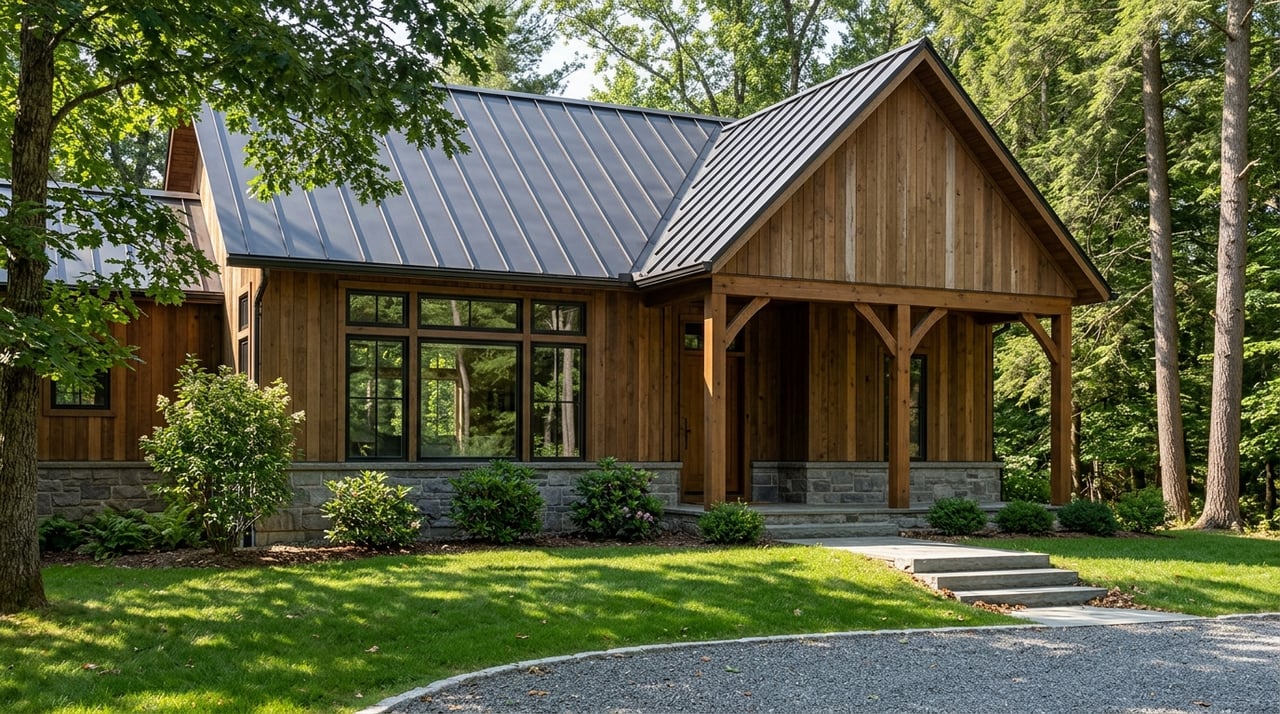
Wondering how to plan a custom mountain home in Sutton Knob without making an expensive mistake early on? That is a smart question, because in Transylvania County, the land often shapes the house more than the other way around. If you are dreaming about views, privacy, natural light, and easy access to the outdoors, a site-first approach can save you time, money, and stress. Let’s dive in.
Sutton Knob is part of the Pisgah Forest area, with convenient access to Brevard and Pisgah National Forest. For many buyers, that setting is the whole point. You may be looking for a homesite that balances mountain views, wooded privacy, and a strong connection to outdoor recreation.
That is exactly why lot selection should come before final design decisions. In a mountain community, the slope, driveway approach, drainage pattern, and likely house placement all affect what can realistically be built. A floor plan that looks perfect on paper may need major changes once it meets the actual terrain.
Weather is a big part of that equation. NOAA climate normals for the Brevard station show about 75.57 inches of annual precipitation and 7.1 inches of annual snowfall, which means runoff, wet-weather access, and drainage are not small details. They should be built into the plan from day one.
One of the first steps is confirming which rules apply to your lot. Transylvania County does not have county-wide zoning, but county ordinances still apply outside the Town of Rosman and the City of Brevard, including Brevard’s extraterritorial jurisdiction.
That matters because buyers sometimes assume a parcel falls under one set of local requirements when it actually falls under another. Before you lock in your design assumptions, confirm whether the lot is in county jurisdiction, city jurisdiction, or the ETJ. That simple step can help you avoid delays later.
Before a residential building application is accepted in Transylvania County, several pieces need to be in place. County guidance requires septic approval for new homes and additions, a GIS tax map or survey showing the new structure, a site address, and erosion-control information when land disturbance reaches 4,000 square feet or more.
For a custom mountain home, this means your survey, septic plan, and proposed house location should be coordinated early. It is much easier to adjust the design while the plan is still flexible than after drawings and pricing are already underway.
A few early questions can help you assess the lot clearly:
Private water and wastewater are a major part of mountain building in this area. Transylvania Public Health requires a permit before a private drinking water well is installed, repaired, replaced, abandoned, or destroyed. Wells must be drilled by a certified well contractor, and the county helps place wells away from contamination sources and samples water after completion.
The same department also handles new septic permits. For the site visit, the property should be ready, including marked property lines. That is one more reason to get the site organized before your design team moves too far ahead.
If a parcel already has records on file, request them early. Septic and well records may reveal prior approvals, existing constraints, or information that helps shape the home’s placement and size. In many cases, those records can answer buildability questions before you spend more on revisions.
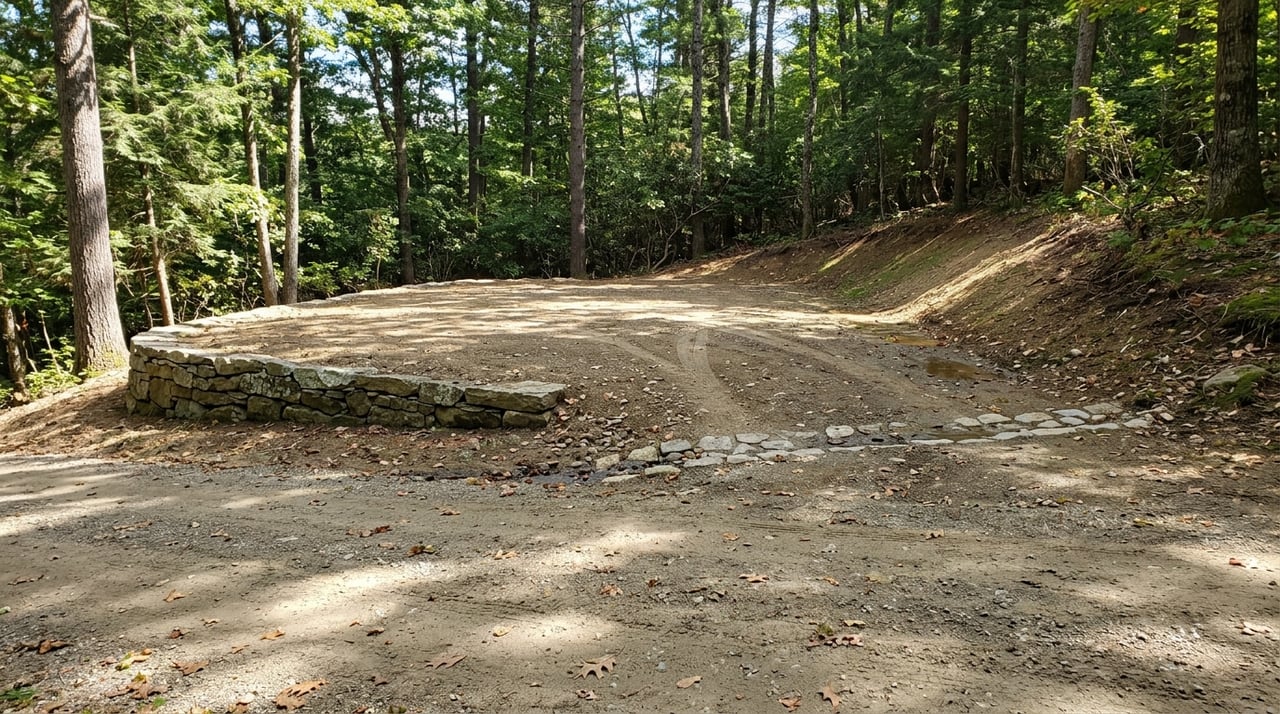
Driveway access can be easy to overlook when you are focused on the home itself, but it can become one of the most important early issues. If the parcel needs access to the State Highway System, NCDOT requires a driveway permit. That permit addresses design, drainage, traffic impacts, and safety.
NCDOT also recommends early coordination with the local land-use authority and the district engineer. In practical terms, if the lot needs a new access point, you do not want that conversation happening after your design is already set. The driveway location can affect grading, house placement, and even the usability of the homesite.
In Sutton Knob, good mountain design is not just about what looks beautiful. It is also about how the site handles water and disturbance. With the area’s high annual rainfall, stormwater planning should cover the driveway, roof drainage, and how water moves around the house during wet periods.
Transylvania County also requires erosion and sediment control review for certain levels of disturbance. The county requires an erosion and sediment control permit for disturbances greater than 4,000 square feet but less than 1 acre, while the state plan threshold starts at 1 acre or more.
If the property is part of a subdivision context or roadwork is involved, terrain standards matter too. The county’s subdivision ordinance sets hill-terrain road grades at a maximum of 18 percent. That does not just affect developers. It also gives buyers useful context for understanding what practical road and access design may look like on steeper land.
A great mountain homesite often offers more than one benefit, but the best view is not always the best orientation for year-round comfort. This is where thoughtful siting matters.
According to the U.S. Department of Energy, south-facing windows bring in the most winter sun, while north-facing windows tend to provide even light with less glare. East- and west-facing windows are more likely to create glare and summer heat gain.
Passive solar guidance adds another layer. Solar-collecting surfaces typically work best when they face within 30 degrees of true south and remain unshaded during the heating season from 9 a.m. to 3 p.m. In a wooded mountain setting, that means you may need to weigh tree preservation, likely shade patterns, and the long-term use of nearby land.
In real life, the goal is usually to balance three priorities:
That often means studying sunrise and sunset angles, winter sun exposure, and whether the home’s primary gathering areas should face the view, the sun, or a combination of both.
Mountain-home projects tend to run more smoothly when everyone starts from the same information. In Transylvania County, permit requirements show why that matters. The county’s residential permit checklist calls for core items like a survey or GIS tax map, septic approval, and erosion-control information where required.
Some construction features also trigger added design requirements. The county requires sealed plans from a North Carolina licensed design professional for certain special construction types, including log or timber-frame construction, precast concrete foundation walls, alternative methods of construction, and retaining walls over 4 feet.
If you are considering a mountain-modern or timber-forward design, this becomes especially important. Your builder, surveyor, and designer should all be working from the same site conditions, access assumptions, and approval path.
It helps to know what happens near the end of construction, not just the beginning. Transylvania County says that before power is released or a certificate of occupancy is issued, all inspections, grading, and erosion control must be approved.
The building department also needs final septic or sewer approval, a final termite treatment certificate, and a well construction report. If the project falls within Brevard’s jurisdiction, the city’s footing and setback inspection is required before the county footing inspection.
When you understand those steps upfront, you can ask smarter questions during the planning stage. That can help you build a more realistic timeline and avoid last-minute surprises.
If you want a simple way to think about the process, follow the safest general sequence supported by local requirements:
This order helps you make decisions based on how the land actually works. That is especially valuable in a place like Sutton Knob, where lifestyle appeal and site complexity often go hand in hand.
A custom build in Sutton Knob is not just about choosing finishes or square footage. It is about understanding how a specific piece of mountain land will support your goals for daily living, privacy, access, and long-term enjoyment.
That is where local experience becomes a real advantage. When you work with people who understand Transylvania County land, mountain access issues, and the rhythm of local approvals, you can move forward with more confidence and fewer avoidable detours.
If you are thinking about building in Sutton Knob and want help evaluating lots, site questions, or the next step in your search, connect with Team Billy Harris. We live and work in this market every day, and we are happy to help you plan with clarity.
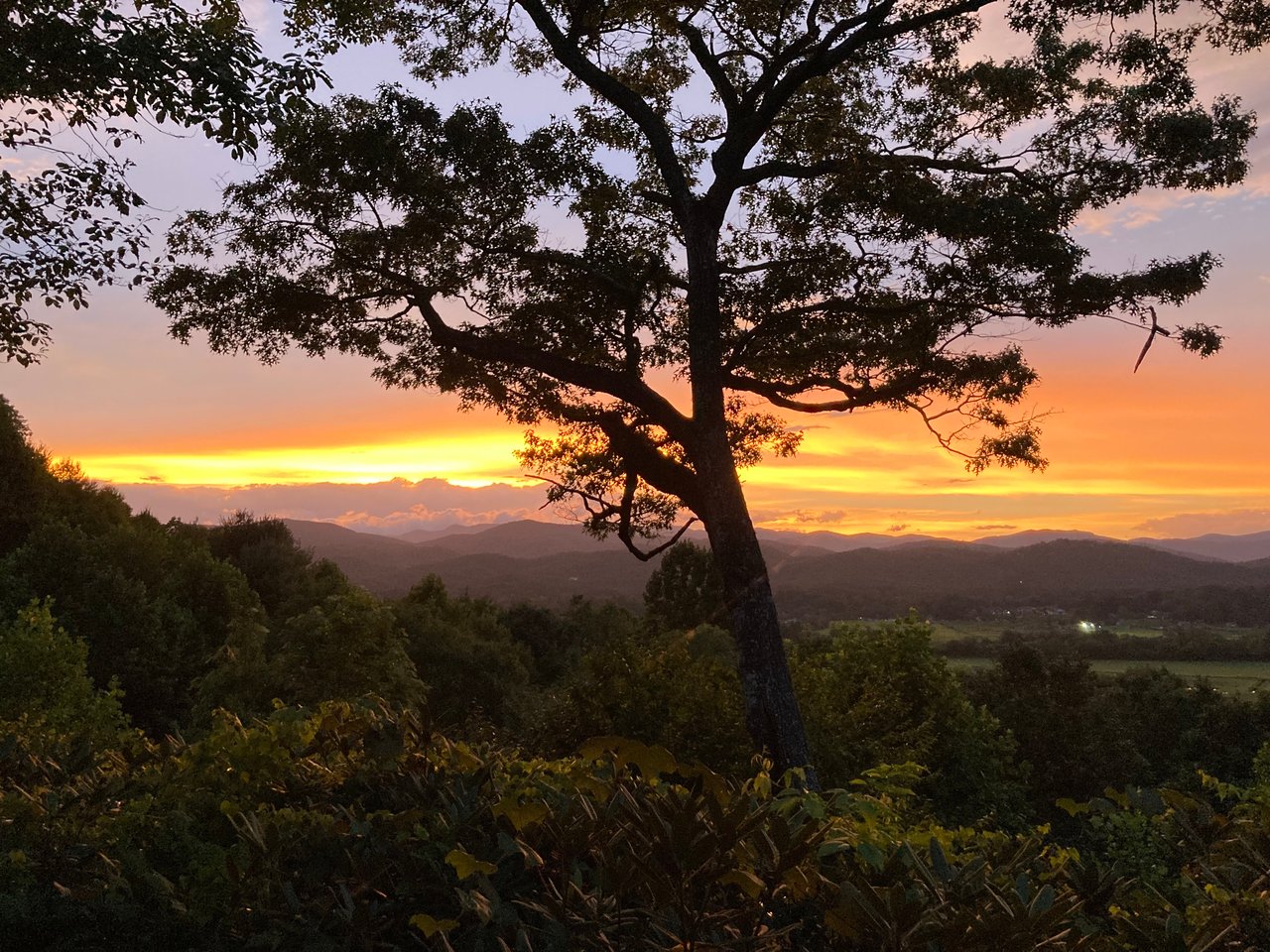
Brevard NC Home Values
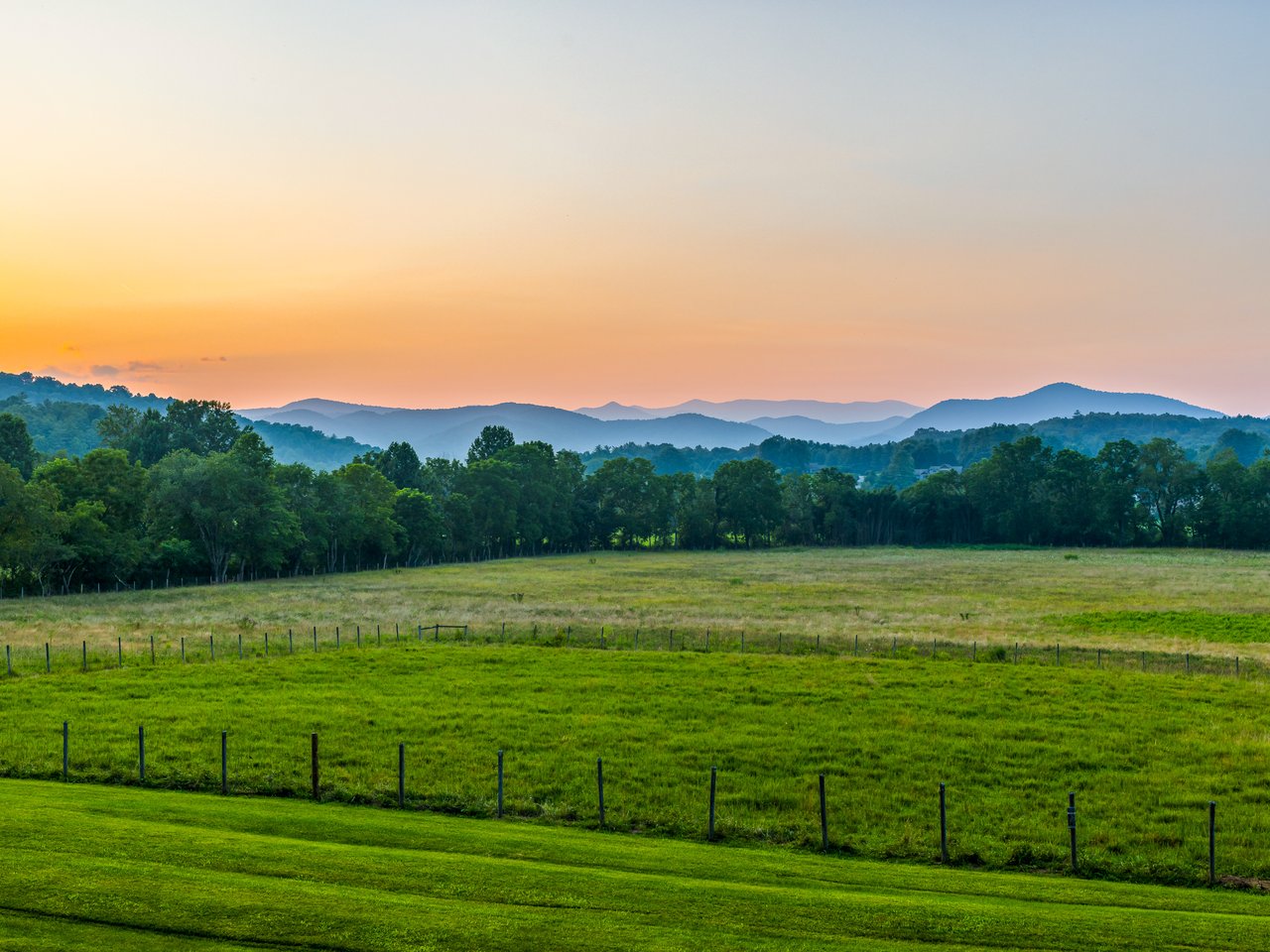
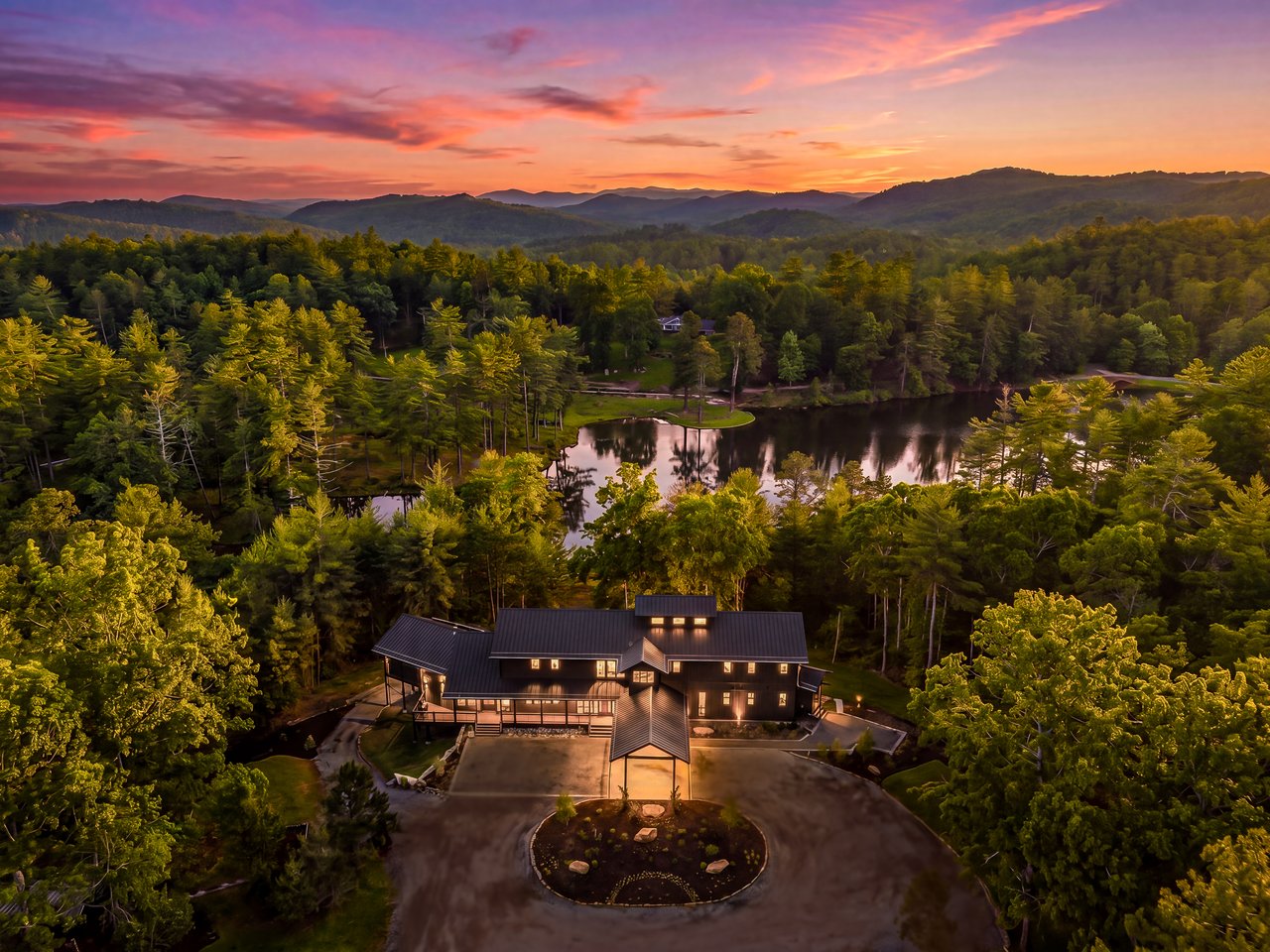

Market report for Transylvania County
We pride ourselves on informing and educating our clients in order to make better real estate decisions. Contact us today to find out how we can be of assistance to you!
Get In Touch With Us

TEAM BILLY HARRIS
7737 Greenville Hwy Brevard NC 28712