Are you torn between a condo or a cottage at Bear Lake Reserve? You want a low-stress getaway that fits your budget, lifestyle, and long-term goals. The right choice comes down to how you plan to use the home, what you want to maintain, and how you think about rental and resale potential. In this guide, you will learn the key differences, costs, and decision points so you can buy with confidence. Let’s dive in.
Big picture: condo vs cottage
Ownership and maintenance
Condos usually offer a lock-and-leave lifestyle. Exterior maintenance, common grounds, and many building systems are handled by the association, which you fund through monthly dues. This can save you time and reduce surprise repairs.
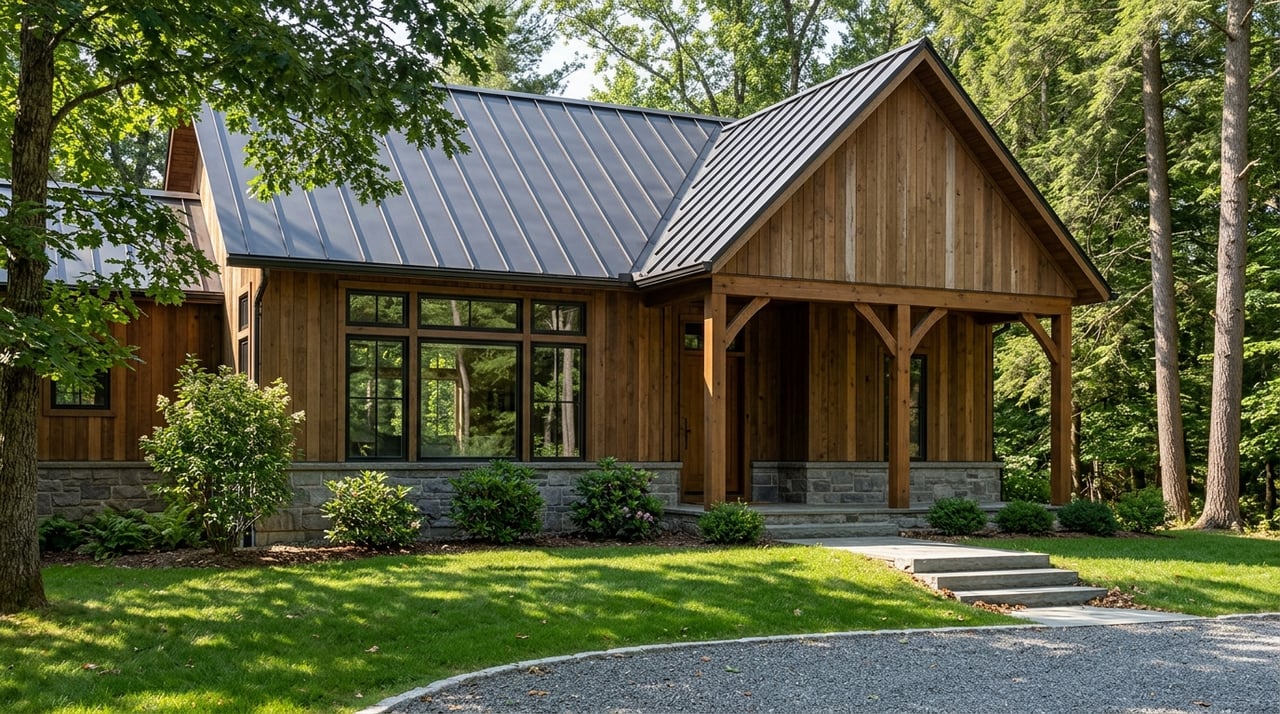
Cottages are typically fee simple ownership. You control the home and the land it sits on, which offers privacy and flexibility. You also handle exterior upkeep, landscaping, and repairs, often by hiring local vendors.
Space, privacy, and noise
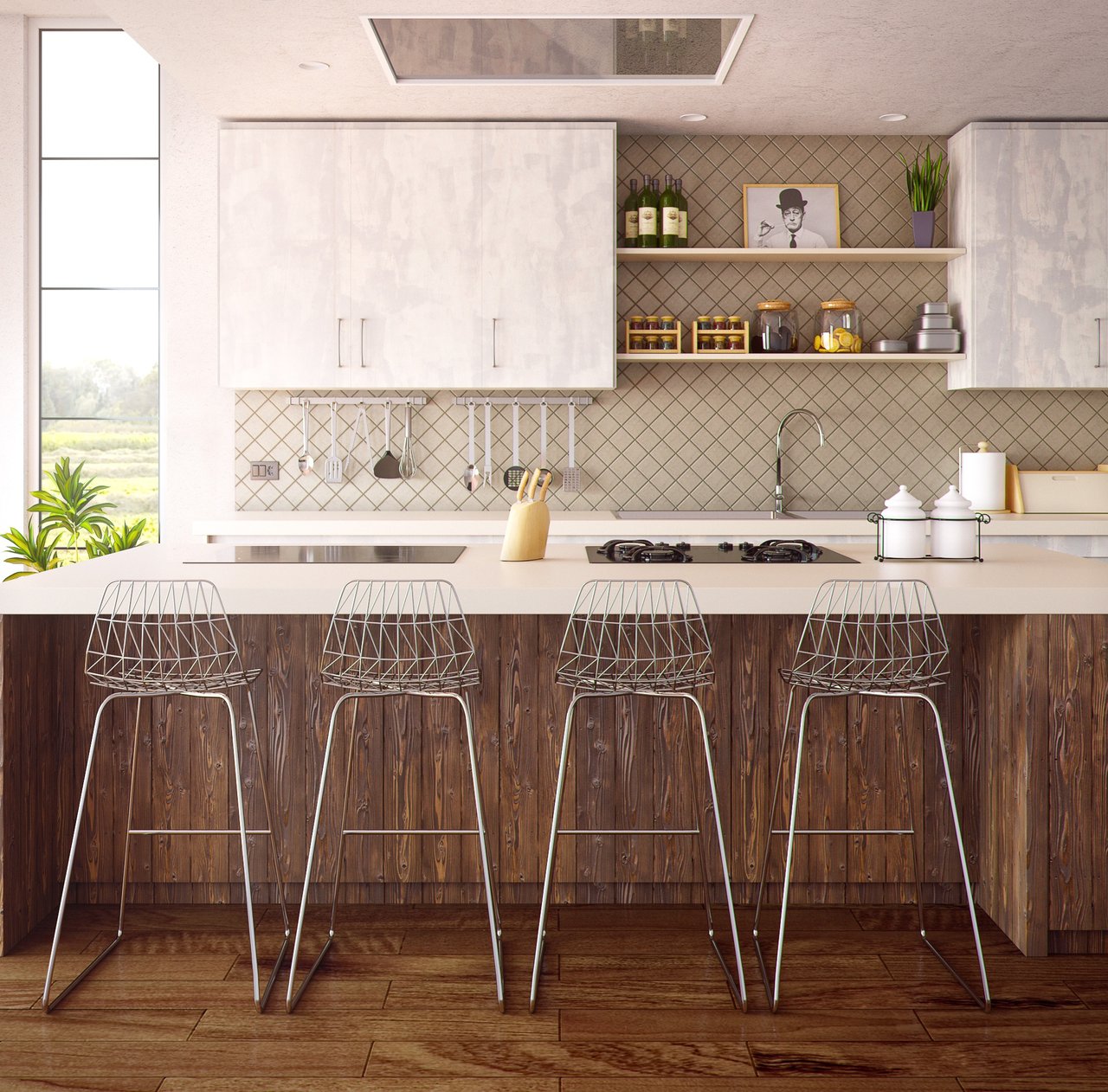
Condos tend to be more compact and may share walls or floors with neighbors. You get efficient layouts and easy care, but less separation.
Cottages usually provide more indoor and outdoor space. You may enjoy greater privacy and quiet, plus room for gear, hobbies, and guests.
Outdoor living and storage
Condos often include balconies or patios with limited storage. Association rules may guide what you can store or modify.
Cottages commonly offer porches, yards, and sheds or garages. You have more options for outdoor living, gardening, and storing bikes or lake gear.
Parking and access
Condos may include assigned parking and, in some buildings, elevators. Access is simple and typically close to shared amenities.
Cottages often have driveways or garages. Access can be more private, and you control your immediate surroundings.
Cost of ownership: key differences
Think beyond the purchase price. Compare the full picture over 3 to 5 years.
- HOA dues and reserves
- Property taxes
- Insurance premiums
- Utilities, internet, trash
- Routine maintenance and landscaping
- Capital repairs or upgrades
- Furnishings and housewares
- Management or cleaning if you rent
HOA dues and assessments
- Condos: Dues typically fund exterior maintenance, roof and siding, common area utilities, landscaping, and reserves. Review budgets and reserve studies for future projects.
- Cottages: Dues may be lower if they cover shared roads, security, or amenities only. You budget separately for your roof, exterior, and grounds.
Unplanned assessments can occur in either case. Ask about past assessments, upcoming projects, and current reserve balances.
Insurance basics
- Condos: You usually carry an HO-6 policy for the interior, improvements, and personal property. The association’s master policy covers the building shell and common areas.
- Cottages: You typically carry a standard homeowners policy that covers the structure, other improvements, and liability. Costs vary with size, materials, and coverage.
Maintenance planning
- Condos: Budget for interior systems like HVAC, water heater, appliances, and wear from guests if you rent.
- Cottages: Plan for exterior painting or staining, driveway care, deck and porch upkeep, tree work, and seasonal checks after storms or freezes.
Renting your home: questions to ask
Short-term rental potential depends on association rules, local ordinances, and demand. Before you buy, verify policies in writing.
- Are short-term rentals permitted, limited, or not allowed?
- Are there minimum stay requirements or guest caps?
- Are there registration or permitting steps for owners or managers?
- What are quiet hours, parking rules, and trash protocols for guests?
- Are there design or furnishing standards for rentals?
If renting, consider wear and tear. Condos concentrate activity near neighbors and common areas, which may require more coordination. Cottages can handle larger groups but need stronger cleaning and maintenance plans.
Financing and insurance considerations
Loans for condos and cottages are not the same. Lenders review the property and the association differently.
- Condo lending: Your lender may require a condo questionnaire about occupancy mix, reserves, lawsuits, special assessments, and building systems. Outcomes can affect down payment options, rates, and timing.
- Second home vs investment: How you intend to use the property can change loan terms and underwriting. Discuss this early with your lender.
- Insurance: Condos rely on a master policy plus HO-6 coverage. Cottages need full structure coverage. Confirm coverage limits, deductibles, and any special requirements with your insurer.
Lifestyle fit at Bear Lake Reserve
Start with how you plan to live in the home most of the year.
- You want easy weekends and minimal chores. A condo’s lock-and-leave convenience may be the best fit.
- You love projects, gardens, and space for family. A cottage can deliver room to spread out and make it your own.
- You plan to host often. A cottage may offer more sleeping options and parking. A condo can still work if the layout and building rules support gatherings.
- You will visit in short, frequent bursts. A condo’s simplicity and lower upkeep can save time.
Touring tips inside the community
When you tour, balance emotion with due diligence. Walk the property with a checklist and take notes.
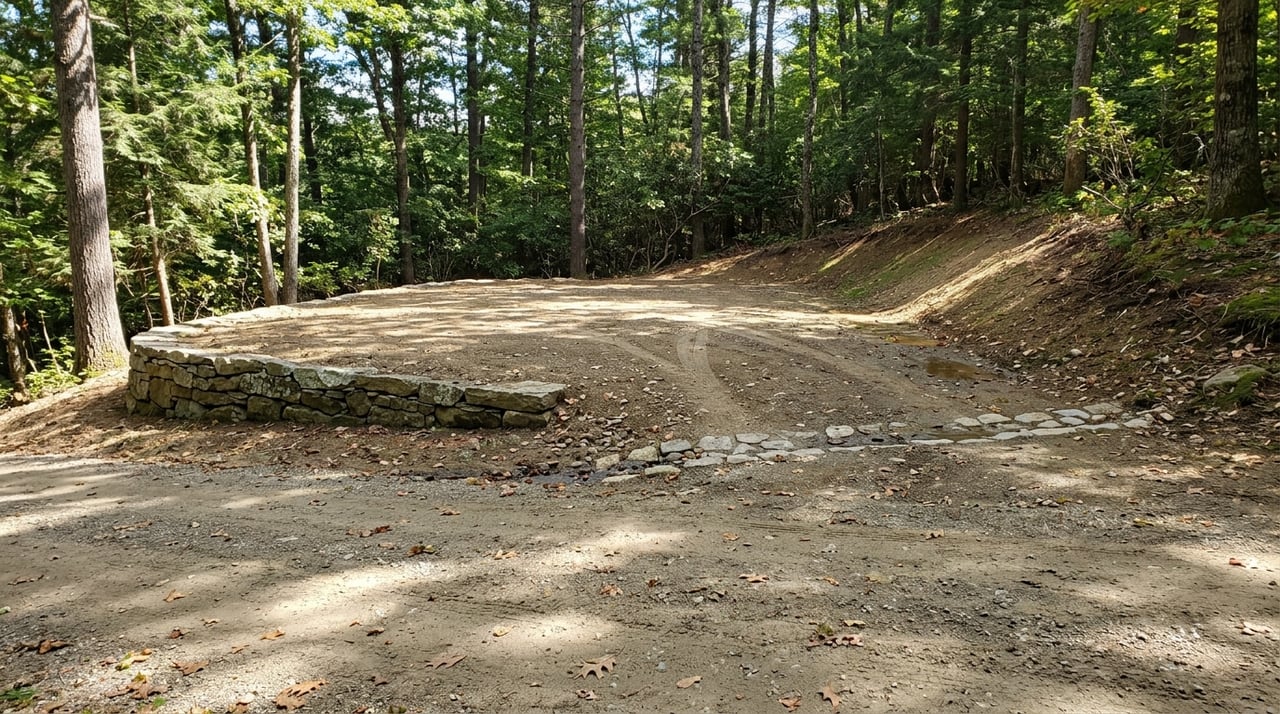
- Access and arrival: Evaluate road grade, parking, lighting, and ease of unloading. Check how it feels after dark and in wet weather.
- Noise and privacy: Stand in each room and listen. Note proximity to walkways, parking, or shared spaces.
- Light and exposure: Morning and afternoon light can change how a home lives. Check window orientation and shade.
- Systems and age: Ask about roof, HVAC, water heater, windows, decks, and siding. Note dates and maintenance records.
- HOA health: Request budgets, meeting minutes, reserve studies, and rules. Verify any rental policies and pet rules.
Resale outlook in a mountain community
Your future buyer will likely value the same things you do.
- Condition and updates: Well-maintained homes with fresh systems and finishes sell more easily.
- Parking and access: Simple, safe access helps year-round appeal.
- Outdoor living: Usable decks, porches, and views add value.
- HOA strength: Clear rules, healthy reserves, and consistent upkeep support pricing and buyer confidence.
- Rental eligibility: If allowed, documented rental performance can help with resale. Keep clean records.
Quick comparison checklist
Choose a condo if you want
- Low maintenance and lock-and-leave convenience
- Predictable monthly costs through HOA dues
- Proximity to shared amenities and simple access
- A smaller footprint that is easy to furnish and clean
Choose a cottage if you want
- More space, privacy, and storage for gear
- Control over exterior and landscape choices
- Flexible hosting for family and friends
- A long-term retreat you can personalize
Next steps
You do not have to choose alone. If you want a clear, side-by-side plan for cost, lifestyle, financing, and rental considerations, connect with a local advisor who knows the community and the Western North Carolina market. When you are ready to tour condos and cottages and compare details that matter to your goals, reach out to Team Billy Harris for guidance and on-the-ground insight.
FAQs
What is the main difference between a condo and a cottage at Bear Lake Reserve?
- A condo typically offers lock-and-leave convenience with exterior upkeep handled by the association, while a cottage usually provides more space and privacy with the owner managing exterior maintenance.
How do HOA dues compare between condos and cottages at Bear Lake Reserve?
- Condo dues often cover more building and common-area costs, while cottage dues may focus on shared roads and amenities, with owners budgeting separately for exterior upkeep. Always review budgets and reserve studies before you buy.
Are short-term rentals allowed at Bear Lake Reserve?
- Policies vary by association and may change. Verify short-term rental rules, minimum stays, and registration requirements in the current governing documents before making an offer.
How does condo financing differ from cottage financing in Western North Carolina?
- Lenders review condo associations through a questionnaire and may have different down payment or rate options based on the building’s profile. Cottages are financed like detached homes. Discuss your use plan early with a lender.
What should I budget for cottage maintenance in a mountain community?
- Plan for exterior paint or stain, deck and porch upkeep, driveway care, tree work, and seasonal checks. The amount varies by size, age, and finishes, so get vendor estimates during due diligence.